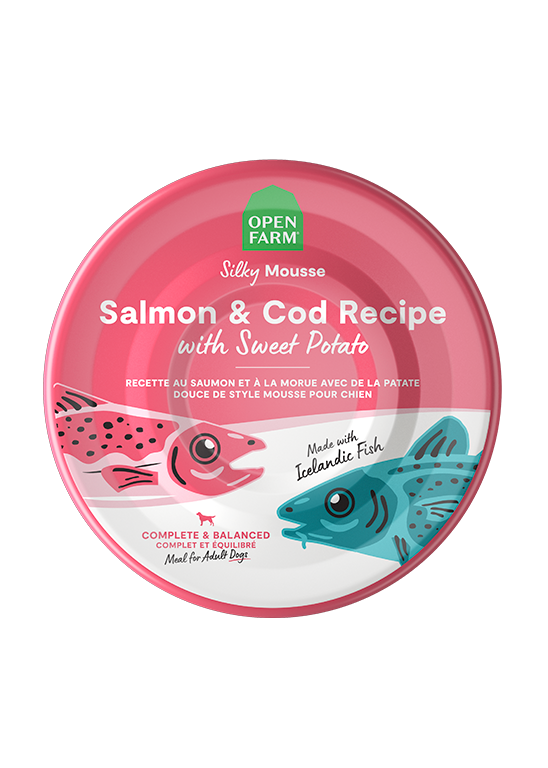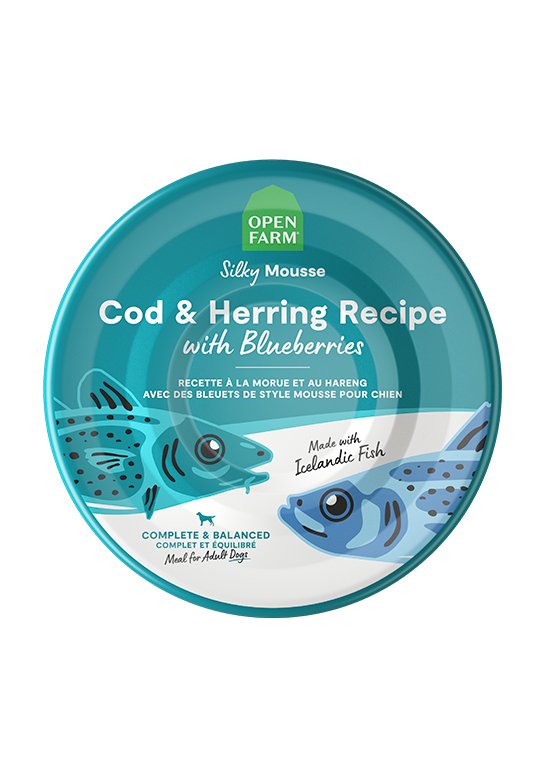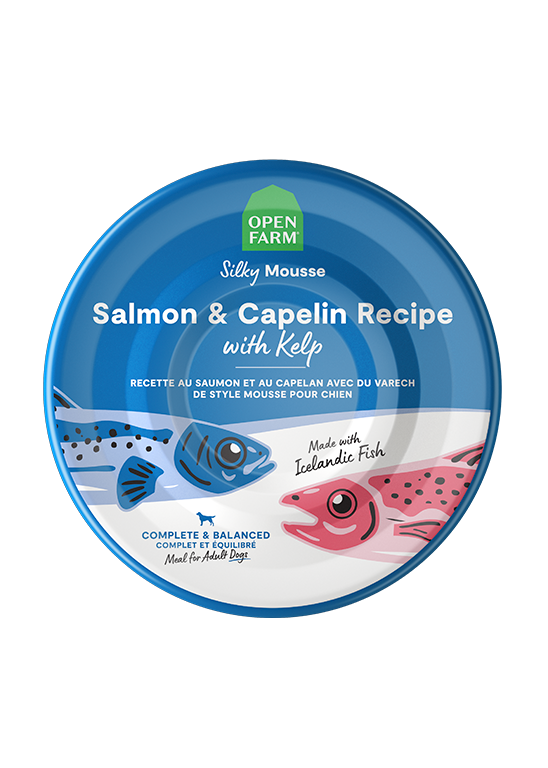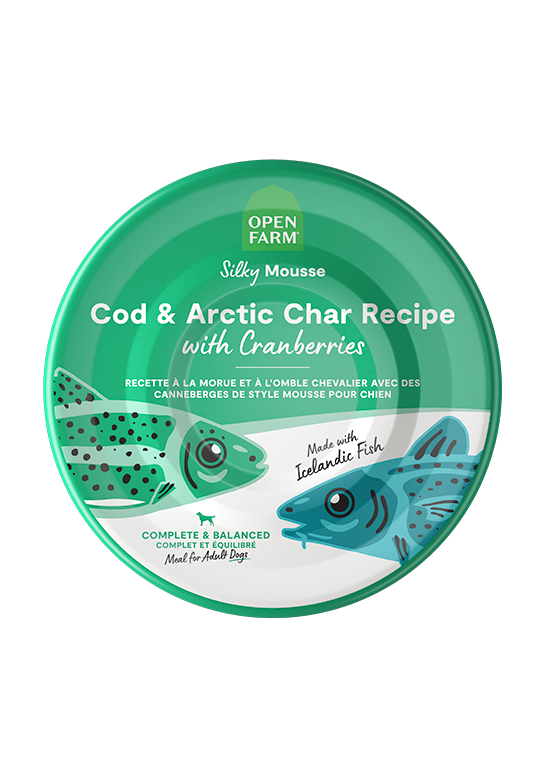
Compare with similar foods
See how this formula stacks up on protein, fat, fiber, and listed ingredients.
Compare nowSee how this formula stacks up on protein, fat, fiber, and listed ingredients.
Compare nowProtein, fat, fiber, moisture, and calorie values stay exactly as listed on the source label.
| Metric | Value | Basis |
|---|---|---|
| Protein | 6.5 | % min |
| Fat | 4 | % min |
| Fiber | 2 | % max |
| Moisture | 78 | % max |
| Calories | 1250 | kcal/kg |
| Calories per cup | N/ANot listed on the official source. | kcal/cup |
The ingredient list stays as a source fact. Mapping appears only when source-backed data is available.
Ingredient list from label
Salmon, Wild-Caught Cod, Salmon Broth, Cod Broth, Garbanzo Beans (Chickpeas), Potatoes, Vegetable Broth, Sweet Potatoes, Sunflower Oil, Potassium Chloride, Choline Chloride, Magnesium Sulfate, Vitamin A Supplement, Vitamin E Supplement, Niacin Supplement, Folic Acid, D-calcium Pantothenate, Thiamine Mononitrate, Riboflavin Supplement, Vitamin B12 Supplement, Pyridoxine Hydrochloride, Zinc Sulfate, Iron Sulfate, Sodium Selenite, Copper Sulfate, Manganese Sulfate, Calcium Carbonate
Ingredient facts
Mapped notes
Protein sources
Salmon, Salmon Broth
Carbohydrate sources
Potatoes, Sweet Potatoes
Fat sources
Sunflower Oil, Magnesium Sulfate, Zinc Sulfate, Iron Sulfate, Copper Sulfate, Manganese Sulfate
Positive ingredient signals: Named animal protein.
The label is anchored by these protein contributors: Salmon, Salmon Broth.
The official data currently marks probiotic support as not present.
Legume-heavy formulas deserve closer interpretation when they materially shape the ingredient deck.
Internal methodology only because this layer uses legume presence as a prompt for closer context review, not as proof of harm or poor formulation.
Matched ingredients: Garbanzo Beans (Chickpeas)
Legumes are materially present in the ingredient deck and should be interpreted in context.
Internal methodology only because this layer uses legume presence as a prompt for closer context review, not as proof of harm or poor formulation.
Matched ingredients: Garbanzo Beans (Chickpeas)
The ingredient deck clearly includes named animal protein rather than relying on vague animal terms.
Partially supported because transparency-focused guidance and professional review norms support the direction of this interpretation, but the exact signal effect is internal.
Matched ingredients: Salmon
Open Farm Salmon & Cod Recipe with Sweet Potatoes Dog Food is formulated to meet the nutritional levels established by the AAFCO Dog Food Nutrient Profiles for maintenance.
Strong fit for shoppers who prioritize source transparency and ingredient storytelling.
Methodology v1.2
iPickPet Score
92/100
A higher iPickPet Score means stronger recorded label quality, transparency, and formulation signals. It is not a health or safety claim.
Why this score
Match Score
Strong context match
Match for Dog / Adult / Wet
100/100
A 100/100 Match Score means the recorded label facts fully matched this stated context. It does not mean the product is universally better.
Data Confidence
High data confidence
100/100
Higher Data Confidence means more of the expected source-backed fields are present. It does not say the product is better than another one.
Why it matches
Good fit for
Possible tradeoffs
Data gaps
Label transparency notes
Compared with similar products
Use Compare to apply the same context across multiple products while keeping the products in the order you selected.
Open CompareBased on source-backed label facts. iPickPet Score reflects label quality, transparency, and formulation signals. Match Score is context-specific. Data Confidence reflects source completeness. See Methodology v1.2.
Source & data record
Label-data checklist
Reflects source, label, nutrition, and optional nutrient data completeness only. It is not a product quality score.
Public scoring uses Methodology v1.2 from source-backed label facts. iPickPet Score describes label quality, transparency, and formulation signals. Match Score describes fit to the stated context. Data Confidence describes source completeness. Missing fields stay Not available rather than inferred.