Best Cat Food: A Clear, Evidence-Based Guide
The best food fits your cat, carries the right nutritional adequacy statement, comes from a transparent maker, and works in your real feeding routine.
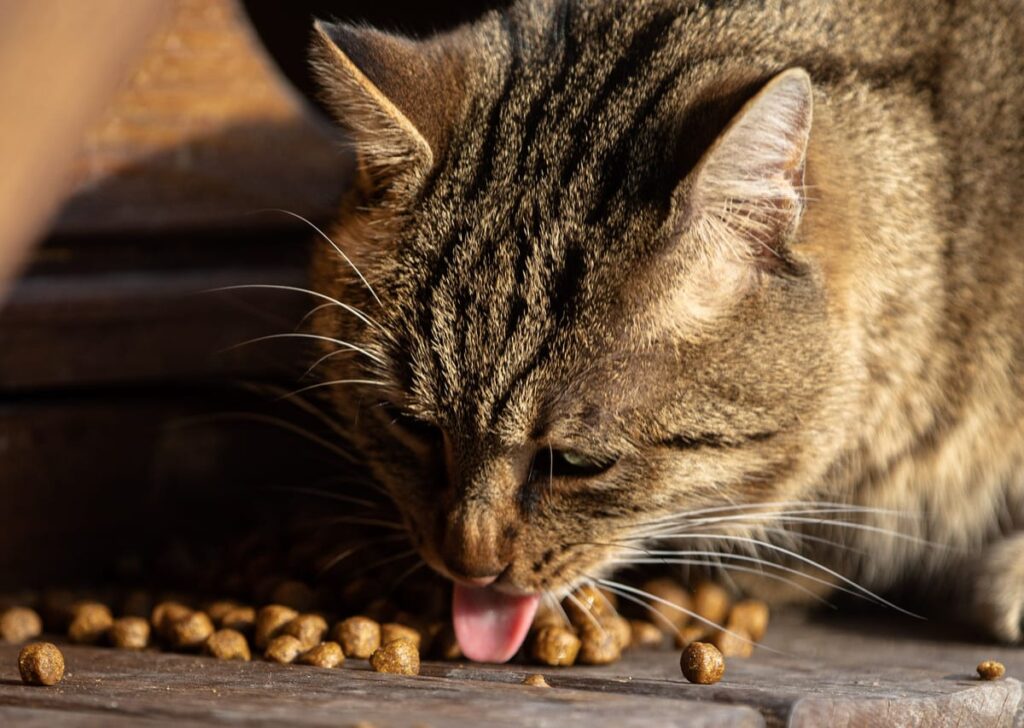
Verdict: The best cat food is a complete diet that fits the cat in front of you, comes from a company able to answer basic nutrition and quality questions, and keeps working after the bag or cans reach your home. No ingredient, format, price, or front-label phrase can settle that decision by itself.
Start with the nutritional adequacy statement. Match it to the cat’s species and current needs. Then look at the company, calories, feeding plan, the cat’s health, and what happens over time. A food is not a good choice if the label is impressive but the cat will not eat enough, gains excess weight, loses muscle, has persistent stomach signs, or needs a therapeutic plan the product was not designed to provide.
Key takeaways
- Find the nutritional adequacy statement before comparing marketing claims.
- Choose a food intended for cats and appropriate for the cat’s current life stage or veterinary plan.
- “Complete and balanced” matters more than a fashionable ingredient on the front.
- Ask who formulates the food, how quality is controlled, and whether the company can provide useful nutrient and calorie data.
- Feed a measured amount, then adjust with your veterinarian using body weight, body condition, muscle condition, and health.
- Wet, dry, and mixed routines can all be practical; the complete formulation and the individual cat matter more than format loyalty.
- A diagnosed medical condition can change the decision. Do not turn a general buying guide into a medical diet plan.
What “best” should mean
“Best” is not a permanent badge attached to one brand. It is a fit decision with limits. A food can be nutritionally appropriate and still fail because the cat refuses the texture, the owner cannot buy it reliably, the portions are hard to manage, or a medical condition changes the goal.
For a healthy cat, the basic job is to provide all required nutrients in the right balance and enough energy to maintain a healthy body and muscle condition. Cats have specific nutrient needs that differ from dogs. A product intended for dogs, a treat, a topper, or plain meat does not become a complete cat diet because a cat enjoys it.
The FDA says a food using “complete and balanced” in its nutritional adequacy statement must either meet an AAFCO nutrient profile or pass a feeding trial using AAFCO procedures. That statement is not a promise that every cat will thrive on the food. It is the essential first filter that tells you the product was designed as a sole diet for the stated use.
Step 1: Read the adequacy statement
The nutritional adequacy statement is usually on the back or side of the package in small print. AAFCO calls it one of the most important parts of a pet food label. It tells you whether the food is complete and balanced, the species, and the intended life stage.
Look for language saying the product is formulated to meet AAFCO Cat Food Nutrient Profiles or that animal feeding tests using AAFCO procedures substantiate complete and balanced nutrition. The statement should also name the intended stage, such as growth, adult maintenance, gestation and lactation, or all life stages.
“Intermittent or supplemental feeding only” means the product is not intended to be the whole daily diet. Many treats, toppers, broths, and supplements fall into this category. A beautiful ingredient list does not fill the nutrients that are missing.
AAFCO does not approve or certify individual foods. Be cautious when a seller says a product is “AAFCO approved.” The meaningful information is the exact adequacy statement and the basis named in it.
Step 2: Define the cat before judging the food
Write down a short profile: age, reproductive status, current weight trend, body condition, muscle condition, activity, appetite, chewing ability, stool pattern, vomiting history, diagnosed disease, medicines, and foods the cat will reliably eat. This keeps the decision tied to the animal instead of a generic review.
A kitten needs food intended for growth. A healthy adult generally needs an appropriate maintenance plan. Pregnancy and nursing create different demands. Older age alone does not identify one nutrient profile; senior cats can differ greatly in muscle, weight, appetite, dental comfort, kidney function, and other health factors.
If the cat is under veterinary care for kidney disease, urinary disease, diabetes, food-responsive illness, obesity, or another condition, ask whether a therapeutic diet is appropriate. A general food can be complete for a healthy adult and still be the wrong tool for a specific illness. Our low-phosphorus cat food guide shows why one nutrient value cannot replace the full medical plan.
Step 3: Look behind the brand
The WSAVA Global Nutrition Committee suggests asking practical questions about the manufacturer. Who formulates the diets, and what are that person’s qualifications? Does the company own the plant or use a contract manufacturer? What quality-control steps are used for ingredients and finished food? Can the company provide a complete nutrient analysis and calorie information? Has it conducted product research?
A company may make a suitable food without publishing every detail on the front of the package. The question is whether it can give clear, consistent answers when asked. A vague customer-service script, refusal to provide typical nutrient data, or claims that rely only on “premium” ingredients make comparison harder.
Research should be described accurately. A feeding trial, digestibility study, palatability test, and peer-reviewed clinical study answer different questions. Do not treat “tested” as a complete explanation. Ask what was tested, on which product, and whether results are available.
Quality control is not glamorous, but it matters. Useful questions include how suppliers are approved, how incoming ingredients are checked, how the finished food is tested, how batches are traced, and how the company handles a complaint. No company can promise that a problem will never occur. Transparent systems make problems easier to identify and address.
Step 4: Use calories and portions, not bowl size
Feeding directions are a starting estimate. Individual energy needs vary with body size, activity, environment, neuter status, and health. Two cats of the same weight may need different portions.
Find calories per cup, can, pouch, or kilogram. Then measure the amount actually fed, including treats, toppers, table food, and food shared from another pet’s bowl. A scoop described as “about a cup” can vary more than expected, so use a proper measuring cup or a kitchen scale when practical.
Watch the result. The AAHA and AAFP feline life-stage guidance recommends assessing body weight, body condition, and muscle condition as part of nutrition planning. A stable number on the scale can hide muscle loss if body fat rises at the same time. Ask the veterinary team to show you how they score both.
Adjust gradually and recheck. If the cat is gaining unwanted weight, the answer is not always simply a much smaller portion of the same calorie-dense food. A veterinarian may recommend a food designed to provide complete nutrition at a lower calorie intake.
Step 5: Read the rest of the label in context
The guaranteed analysis lists required minimums and maximums, not the exact amount of every nutrient. Crude protein is usually a minimum, for example, while moisture is a maximum. It does not show protein quality, digestibility, amino-acid balance, or the precise amount in the batch.
Moisture changes how percentages look. The FDA explains that foods with very different water content need to be compared on a dry-matter basis for a more meaningful nutrient comparison. Even dry-matter percentages have limits because they do not account for calorie density. For some questions, grams per 1,000 kilocalories is more useful.
The ingredient list is ordered by weight before cooking. Ingredients with more water can appear higher, and similar plant ingredients may appear separately. The list can identify allergens a veterinarian has told you to avoid and show what is present, but WSAVA cautions that it does not tell you ingredient quality or the nutritional quality of the finished diet.
Do not reject a food because it contains a word that sounds unappealing or accept it because the first ingredient sounds familiar. Meat by-products, for example, can supply nutrient-rich animal tissues; a named meat first does not prove the whole formula is balanced. Judge the finished product and the company’s ability to support it.
Step 6: Choose a format that works
Canned and pouch foods contain more water than kibble and can contribute to daily fluid intake. Dry food is convenient for storage, measured feeding, puzzle feeders, and some budgets. A mixed routine can offer practical flexibility. None of these facts makes one format suitable for every cat.
Palatability matters because nutrients only help when the cat eats enough. Texture, aroma, serving temperature, bowl shape, feeding location, and freshness can change acceptance. A cat that loves gravy may reject pâté from the same company.
Water should always be available. Some cats prefer several bowls in quiet places; others drink more from a fountain. Keep water separate from dirty litter areas and refresh it regularly.
Do not use format as a shortcut for a medical claim. A wet food is not automatically a kidney, urinary, diabetic, or weight-management diet. A dry food is not automatically dehydrating or inappropriate. Use the full formulation and the cat’s health plan.
Step 7: Separate everyday food from therapeutic food
Therapeutic diets are designed for particular medical goals and should be used with veterinary guidance. The veterinarian may need laboratory results, urine findings, blood pressure, imaging, weight trends, or a diet history before choosing one.
Do not layer supplements on a complete food simply because more sounds better. Cornell notes that extra vitamins and minerals are generally unnecessary when a cat eats a balanced complete diet. Excesses and interactions are possible, and supplements can change calories or make a therapeutic diet less consistent.
Homemade diets are difficult to balance. If a home-prepared plan is medically necessary or strongly preferred, ask for a formulation from a veterinarian with appropriate nutrition expertise and follow the recipe exactly. Ingredient substitutions and “close enough” measurements can change the nutrient profile.
Raw or non-sterilized animal foods add infectious-disease and handling concerns. AAHA and AAFP do not advocate raw or dehydrated non-sterilized animal-origin foods for cats. If you are considering one, discuss risks to the cat and household with a veterinarian rather than relying on marketing about what is “natural.”
Claims that deserve a second look
Words such as premium, holistic, natural, ancestral, human-grade, clean, or superfood can shape expectations without telling you whether the diet is complete for this cat. AAFCO’s label guidance focuses attention on required information and the adequacy statement.
“Grain-free” describes ingredients; it is not a nutrition grade. Cats need nutrients, not a marketing category. A grain-free recipe may be suitable, but the absence of grain does not show better formulation, more animal protein, or a better fit.
“High protein” also needs context. Ask for the value, basis, calorie density, and whether it suits the cat. More is not automatically better for every medical situation. The same caution applies to low carbohydrate, indoor, hairball, sensitive, and weight-control claims.
Breed pictures do not prove breed-specific nutrition. A large long-haired cat still needs an individual calorie and grooming plan. Use our Maine Coon cost guide for that breed’s broader ownership planning.
How to compare a shortlist on iPickPet
Use the product catalog to find recorded label facts, then open the manufacturer’s current page and package. Formulas can change, so confirm that the name, life stage, size, and recipe match the item in your hand.
Place two candidates in the comparison tool to organize label differences. Treat missing data as unknown, not zero. A lower or higher number is not automatically better unless you have a defined reason and a common comparison basis.
The food finder can help narrow a crowded catalog, but it does not know unentered medical history and does not replace veterinary advice. Take the shortlist, ingredient concerns, calorie information, and manufacturer answers to the next appointment.
Make the switch measurable
Transition gradually when the cat is well, unless the veterinary team gives another plan. Sudden changes can cause stomach upset or make it hard to tell whether a food agrees with the cat. Keep the old package and lot information until you know the transition went smoothly.
During the change, record the amount offered and eaten, stool quality, vomiting, appetite, energy, itching, and any new sign. Weigh the cat on a consistent scale when possible. One soft stool or one skipped bite may not settle the issue; persistent or severe signs deserve veterinary advice.
Do not make a cat “hold out” for a disliked food. Cats that stop eating can become ill. If intake drops sharply, vomiting repeats, or the cat seems weak, painful, or dehydrated, contact a veterinarian promptly.
If several cats share a home, feed separately long enough to know who ate what. This also prevents one cat’s therapeutic food from becoming another cat’s unplanned diet.
Value means cost per successful day
The cheapest bag is not good value if it goes stale, causes waste, or does not fit the cat. The most expensive food is not automatically a better formulation. Compare the daily feeding amount, calories, package size, storage after opening, and how much is actually eaten.
Availability matters. A food that disappears from local shelves every month can force abrupt switches. Consider a reliable second format or flavor from the same appropriate plan, especially for cats that become rigid about one texture. Ask the manufacturer whether formulas are nutritionally interchangeable before assuming they are.
Spend first on the complete diet and veterinary care. Toppers and supplements can raise the bill while diluting the main diet if used heavily. Keep extras modest and counted.
Your final checklist
- Is it made for cats?
- Does the adequacy statement say complete and balanced for the intended use?
- Does that use fit this cat’s current situation?
- Can the company explain formulation expertise and quality control?
- Are calorie and feeding details clear?
- Can the company provide current typical nutrient data when needed?
- Will the cat eat it in a practical portion?
- Can you buy and store it reliably without chronic waste?
- Will you monitor body weight, body condition, muscle condition, appetite, and stool?
- Has a veterinarian reviewed the plan if disease, weight change, repeated vomiting, poor appetite, or medication is involved?
A sensible food decision should be explainable in a few sentences: what the product is intended to do, why it fits this cat now, what information supports it, and what you will monitor. That is a stronger standard than any universal brand list.
Sources
- U.S. Food and Drug Administration, complete and balanced pet food: https://www.fda.gov/animal-veterinary/animal-health-literacy/complete-and-balanced-pet-food
- Association of American Feed Control Officials, reading labels: https://www.aafco.org/consumers/understanding-pet-food/reading-labels/
- WSAVA Global Nutrition Committee, selecting a pet food: https://wsava.org/wp-content/uploads/2021/04/Selecting-a-pet-food-for-your-pet-updated-2021_WSAVA-Global-Nutrition-Toolkit.pdf
- Cornell Feline Health Center, feeding your cat: https://www.vet.cornell.edu/departments-centers-and-institutes/cornell-feline-health-center/health-information/feline-health-topics/feeding-your-cat
- AAHA and AAFP feline nutrition and weight guidance: https://www.aaha.org/resources/2021-aaha-aafp-feline-life-stage-guidelines/nutrition-and-weight-management-2/
Keep exploring
Next reads and tools
Next route
Browse products
Move from article context into real formula review when you want to compare options.
Open routeIngredient context
Inspect ingredients
Use the ingredient library when one concept in the article needs label-level context.
Open routeTrust boundary
Review methodology
See how scoring, interpretation, and explanation boundaries work across the platform.
Open route