Best Dog Food for Sensitive Stomachs Guide
The best dog food for sensitive stomachs depends on the cause. Learn when to call the vet, what food features may matter, and how to test one change.
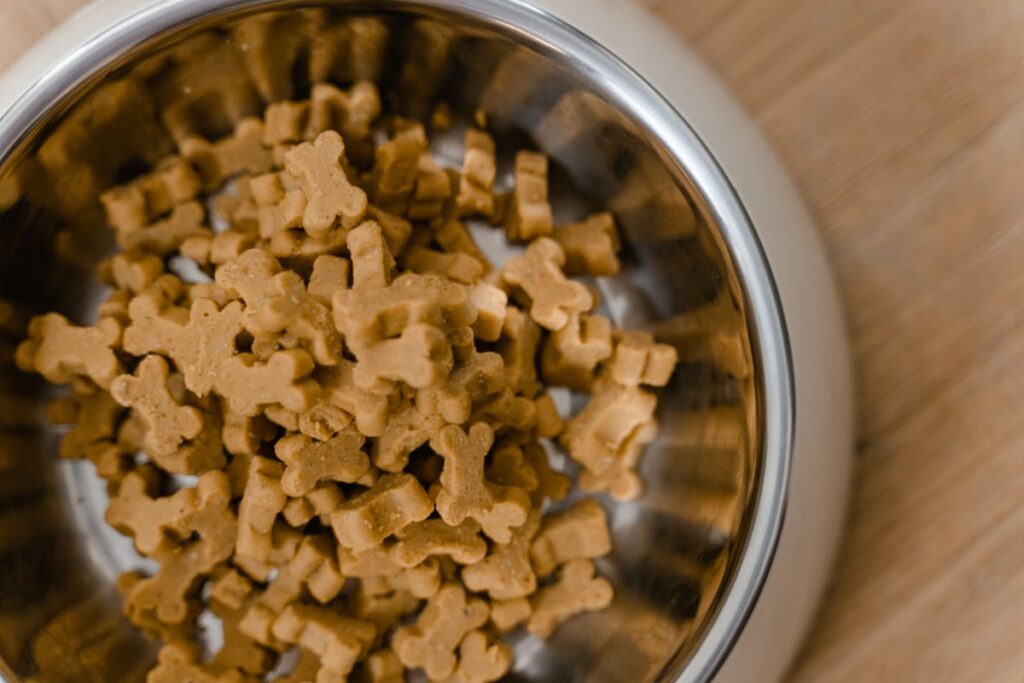
“Sensitive stomach” is a useful way to describe a dog who seems easily upset, but it is not a diagnosis. Soft stool after a sudden food change is very different from repeated vomiting, weight loss, intestinal parasites, pancreatitis, or chronic bowel disease. The kindest first step is to decide whether your dog is mildly uncomfortable or needs medical attention.
There is no single best dog food for sensitive stomachs because the reason for the signs determines what may help. One dog may do well after a slower transition. Another may need a carefully controlled diet trial. A third may need treatment that food alone cannot provide.
This guide helps you sort urgency, gather useful information, and evaluate a food without pretending that a “gentle” label can explain every stomach problem.
Know when stomach signs need veterinary care
Call a veterinarian promptly if vomiting or diarrhea is repeated, severe, or accompanied by blood, black tar-like stool, pain, a swollen abdomen, marked lethargy, fever, collapse, or inability to keep water down. Retching without bringing anything up and a suddenly enlarged abdomen can signal a life-threatening emergency. Trouble breathing, pale gums, or weakness also requires urgent help.
Puppies, toy-size dogs, seniors, and dogs with diabetes, kidney disease, heart disease, or another chronic condition can become unstable more quickly. A dog who may have swallowed a toy, bone, corn cob, medication, chemical, or toxic food should not wait for a new diet to work.
Even mild signs deserve an appointment when they keep returning, last longer than expected, or come with weight loss, appetite change, excessive thirst, poor growth, or a dull coat. Parasites, infection, organ disease, medication effects, dietary indiscretion, inflammation, and many other problems can look like food sensitivity.
Do not give human antidiarrheal, pain, or nausea medicine unless a veterinarian directs it for this dog. Some human products are unsafe for pets, and suppressing a sign can delay the correct diagnosis.
Make the history clearer before changing food
Write down when the problem began and what “sensitive” means in your home. Is the stool soft, watery, unusually frequent, coated in mucus, or difficult to pass? Is the dog vomiting food, yellow fluid, or foam? Does the problem happen after treats, scavenging, travel, stress, medication, or a new package?
List everything eaten over a normal week: measured meals, table food, chews, training rewards, supplements, food used for pills, access to another pet’s bowl, and anything found outdoors. Include the exact product and flavor, not just the brand. Take a photo of the ingredient panel, adequacy statement, calorie statement, lot number, and best-by date.
Record appetite, water intake, energy, stool, vomiting, and body weight. A simple daily note is enough. Photos can help when stool or vomit appearance changes, though they do not replace an examination. Bring a fresh stool sample if the clinic requests one.
Resist changing three things at once. A new food, probiotic, oil, and chew introduced together create four possible explanations for any improvement or setback. One planned change gives you information you can use.
What a veterinarian may need to rule out
The workup depends on the dog and the signs. It may include an examination, stool testing, blood or urine tests, imaging, or other tests. Not every dog needs every test. The point is to look for causes that a package change cannot address and to assess hydration, pain, weight, and overall health.
Acute stomach upset after garbage or a sudden food change may settle with a short plan. Chronic or recurring signs raise different questions. Merck Veterinary Manual describes chronic enteropathies as a group of ongoing intestinal disorders that may respond to diet, medication, or other management depending on the cause. A dietary response does not automatically mean a true allergy.
If adverse food reaction is suspected, the veterinarian may recommend a novel-protein or hydrolyzed diet trial. That is stricter than selecting a retail food with “sensitive” on the bag. All treats, flavored medicines, chews, and table scraps have to be considered. Our guide to dog food allergy trials explains why diagnosis requires more than avoiding a popular ingredient.
Some medical conditions need a therapeutic nutrient profile—perhaps a controlled fat level or another specific feature—not a general sensitive-stomach recipe. The clinical target should determine the food, not the other way around.
Food features that may matter
Start with nutritional adequacy. Unless the veterinarian directs a special use, the food should be complete and balanced for the dog’s life stage. A bland mixture improvised at home may be useful only for a short period if the veterinarian recommends it; it is not automatically complete for long-term feeding.
Digestibility can matter, but you usually cannot calculate it from the ingredient list. Familiar ingredients and a short list do not guarantee that the finished food is highly digestible. Ask the manufacturer whether it has digestibility data for the product and how the finished food is tested.
Fat level matters for some dogs, particularly when a veterinarian has identified poor fat tolerance or a condition such as pancreatitis. “Low fat” should not be guessed from the front panel or from one guaranteed minimum. Ask which target and comparison basis apply to your dog. Reducing fat unnecessarily can make a diet less energy-dense or change palatability.
Fiber is not one simple ingredient. Different fibers hold water, ferment, and affect stool in different ways. More fiber can help one dog and worsen gas or stool volume in another. A phrase such as “with fiber” does not tell you the type, amount, or likely response.
Protein source may matter in an allergy or food-responsive condition, but changing from chicken to salmon at random is not a controlled test. A dog may have eaten the “new” protein in treats before, and retail foods may include multiple animal ingredients. Use a veterinary trial when the goal is diagnosis.
Probiotics are strain-specific, and evidence for one strain or mixture cannot be extended to every product labeled probiotic. Ask for the exact organism, amount through the end of shelf life, storage needs, and reason for use. A supplement should not distract from persistent or severe signs.
Read the package without overreading it
Find the AAFCO nutritional adequacy statement and match it to life stage. Check calories so that the daily portion supports healthy weight. Then read the guaranteed analysis while remembering that protein and fat are often minimums and fiber and moisture are maximums.
The ingredient list is ordered by weight before processing. It does not reveal exact amounts, finished-food digestibility, or overall quality. A meat listed first is not proof that the food will settle a stomach. Rice, oats, peas, potatoes, and other carbohydrate sources can all be tolerated by some dogs and poorly tolerated by others; category rules do not predict the individual response.
Ask the company who formulates the food, what qualifications that person has, who manufactures it, and what finished-product quality checks occur. Ask for a typical nutrient analysis and digestibility information when relevant. Clear answers are more useful than a long list of soothing words.
Use our step-by-step pet food label guide for each candidate. Keep the reason for change at the top of the page so that marketing claims do not quietly replace the clinical goal.
Change food slowly when it is safe to do so
For a dog who is otherwise well and making a routine change, transition gradually over several days by increasing the new food while reducing the old. Dogs with a history of digestive upset may need a slower schedule. If the veterinarian has prescribed an immediate change or a specific trial, follow those instructions instead.
Measure the food in grams or with a consistent level cup. Keep treats and extras unchanged unless the plan removes them. Do not introduce a large new bag on the morning of boarding, travel, or another stressful event if the change can safely wait.
Watch stool frequency and consistency, vomiting, appetite, energy, gas, abdominal comfort, and weight. Decide in advance what improvement would look like and when to report back. “No diarrhea for a week on the measured diet” is easier to interpret than “seems okay.”
If signs worsen, do not keep increasing the new food just to finish the transition. Pause and contact the veterinarian. The correct response may be a slower change, a different food, testing, or treatment; the record helps decide.
Common mistakes that keep the stomach unsettled
Changing brands every few days: The digestive tract has little time to adjust, and no single food gets a fair test. Frequent changes also make the diet history harder to reconstruct.
Keeping rich treats: A carefully selected meal cannot clarify the problem if chews, table scraps, and training rewards keep changing. Count every edible extra.
Assuming grain is the issue: Grain-free is not a digestive diagnosis. Removing grain can introduce several new pulse or potato ingredients without identifying the actual problem.
Using an ingredient list as a digestibility test: Ingredient order shows weight before processing. It does not show how the complete food is digested by your dog.
Adding oil for calories or coat: Concentrated fat may worsen signs in a dog who does not tolerate it and adds calories. Discuss supplements before adding them to a gastrointestinal plan.
Waiting through red flags: Repeated vomiting, blood, pain, dehydration, weight loss, or marked lethargy needs assessment. A dog should not have to “push through” a food trial while getting sicker.
A simple plan for your next appointment
Bring your two-week notes if you have them, package photos, the full diet and treat list, medication and supplement names, and any previous test results. Tell the veterinarian what you can realistically feed and afford. A workable plan is safer than an idealized plan that breaks down at home.
Ask:
- What urgent or treatable causes should we rule out?
- Are we managing a short episode or investigating a chronic pattern?
- What exact nutrient or diet feature are we choosing, and why?
- Should this be a therapeutic diet or an ordinary complete food?
- May my dog have treats, chews, flavored medicine, or supplements?
- How should I transition, what should I track, and when should we reassess?
A calm, one-change-at-a-time plan may not look as impressive as a package full of promises. It is far more informative. It also keeps the focus where it belongs: on helping this dog feel well while finding out why the problem keeps happening.
Sources
Keep exploring
Next reads and tools
Next route
Browse products
Move from article context into real formula review when you want to compare options.
Open routeIngredient context
Inspect ingredients
Use the ingredient library when one concept in the article needs label-level context.
Open routeTrust boundary
Review methodology
See how scoring, interpretation, and explanation boundaries work across the platform.
Open route