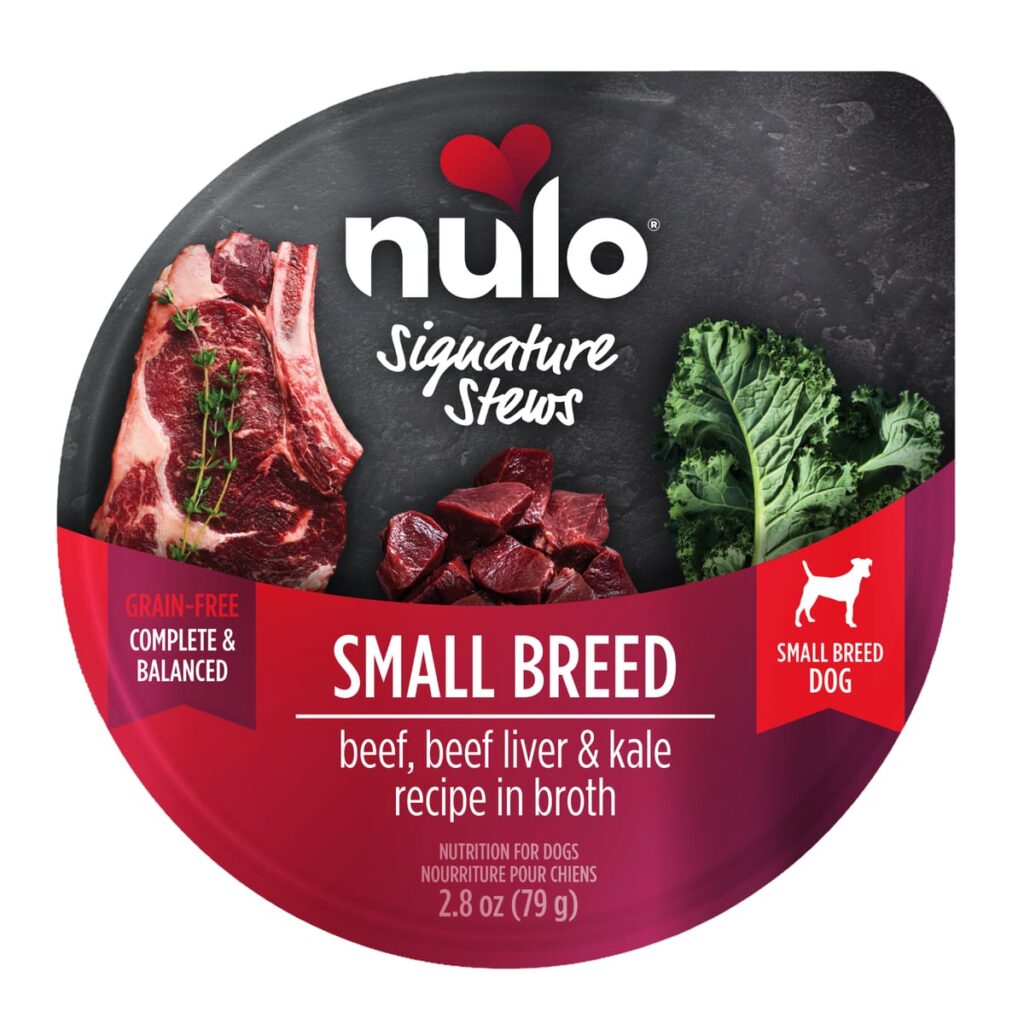
Compare
Wet vs dry dog food, from the label.
A bag of kibble and a can of dog food list very different percentages. Here is how the formats compare across 82 dry and 14 wet dog foods in our catalog, once the water is taken out of the sum.
The same facts, side by side
Medians with the lowest and highest recorded value. Only foods that state a value are counted.
Dry matter values use each label's own moisture maximum. Calorie rows use the calories per kg recorded from each label; a food without a recorded calorie value is left out of those rows (Not verified yet).
Why as-fed numbers mislead
A wet food can list 8% protein and a dry food 34%, which looks like a big gap. Wet food is often around 75–80% water, so most of its weight is not nutrient at all. Converting both to a dry matter basis removes the water and puts them on one scale. The table above does that for you.
What the label cannot tell you
A label shows minimums and maximums, not how much your pet will eat, how well a food is digested, or whether it suits a health condition. Hydration, dental health, weight, and any medical need are questions for your veterinarian. Ask your veterinarian before changing a pet's diet.
Examples from the catalog
One food per brand, listed alphabetically. Open any food to see its full label facts and source.
Dry dog food