Can Dogs Eat Cat Food? What to Do
A small stolen bite is usually not an emergency, but cat food is not a regular dog diet. Learn what to watch for and when to call your vet.
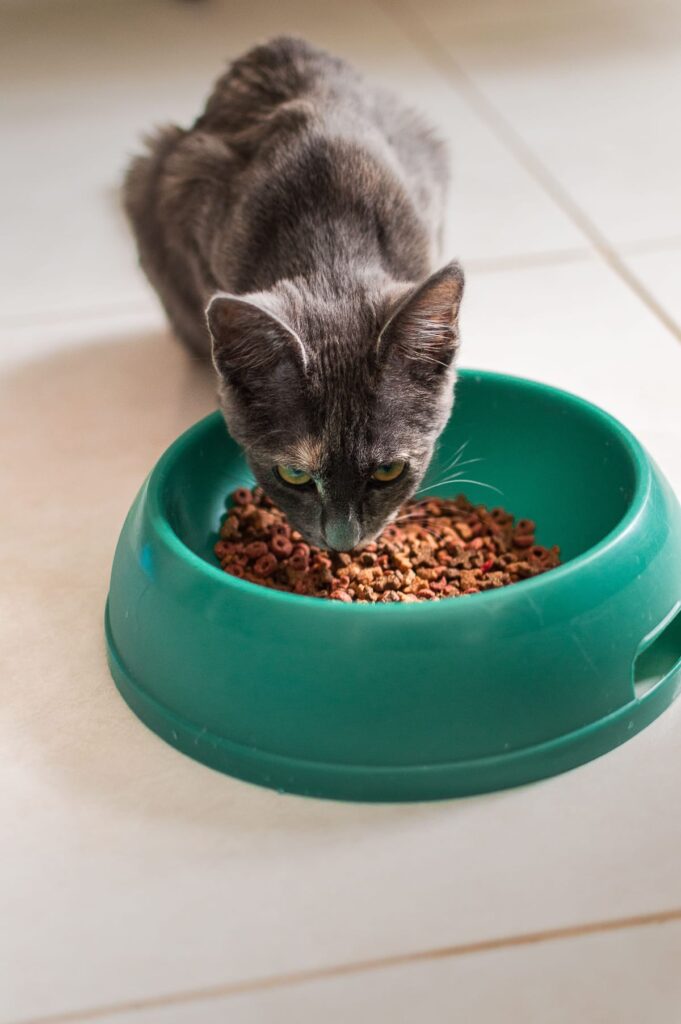
Yes, most healthy dogs can eat a small amount of cat food without becoming seriously ill. But cat food should not become a dog’s regular meal. If your dog stole a few pieces of kibble or licked a cat’s bowl clean once, the usual next step is calm observation. If your dog ate a large amount, has a history of pancreatitis or another condition affected by diet, or now seems unwell, call your veterinarian.
That short answer matters because two very different situations are often mixed together. One is a healthy dog stealing a mouthful. The other is a dog eating cat food often, replacing dog food with it, or emptying a large bag. The first may cause no problem at all. The second deserves more attention.
This guide explains what cat food changes, which signs matter, and how to stop repeat raids without making mealtime stressful for either pet.
Can dogs eat cat food safely?
Cat food is not automatically poisonous to dogs. A small accidental taste is usually tolerated by a healthy adult dog. Some dogs may develop gas, a loose stool, vomiting, or reduced appetite because the food is richer or simply unfamiliar.
The word small is relative. A few cat-food pieces are very different from a small dog eating a full bowl. Wet cat food may also be easy to swallow quickly. Your dog’s size, health history, usual diet, and the amount eaten all affect the risk. There is no single home formula that can turn those details into a guaranteed safe amount.
Cat food also comes in different forms. A nutritionally complete cat food, a cat treat, and a veterinary therapeutic cat diet are not interchangeable. Check the package before assuming what your dog ate. If a prescription product or another ingredient is involved, tell your veterinarian the exact name.
Why cat food and dog food are different
Dogs and cats need food made for their own species and life stage. Cats are obligate carnivores with nutritional requirements that are different from those of dogs. Commercial cat foods are commonly more concentrated in protein and fat than comparable dog foods, although the exact recipe varies.
The practical issue is balance, not the idea that one ingredient is always bad. A food designed to be complete for a cat is not designed to be the everyday nutritional center of a dog’s diet. The Association of American Feed Control Officials explains that a pet-food label identifies the species and carries a nutritional adequacy statement when the product is complete and balanced for a stated life stage. That label is more useful than judging food by the front-of-bag marketing.
Regularly replacing dog food with cat food can add more calories than expected and may leave the dog eating a nutrient pattern intended for another species. For a dog that needs controlled fat, protein, minerals, or calories, the mismatch may matter even more.
If you are choosing a regular diet, start with food labeled for dogs and the correct life stage. You can browse recorded label facts in the dog food catalog and use the food comparison tool to look at products side by side. Those tools help organize label information; they do not replace advice for a medical diet.
What can happen after a dog eats cat food?
Many dogs show no signs after a small theft. When signs do occur, mild digestive upset is common: vomiting, diarrhea, gas, an uncomfortable belly, or a temporary loss of appetite. A sudden change in food can upset a dog’s stomach even when every ingredient is ordinarily safe for that dog.
Rich, fatty food can also be a concern for pancreatitis. Pancreatitis is inflammation of the pancreas and can range from mild to severe. Cat food does not cause pancreatitis in every dog, and one bite does not mean the disease will develop. Still, the concern is higher after a large rich meal and in a dog with prior pancreatitis, high blood fats, or a veterinarian-directed low-fat diet.
Watch for repeated vomiting, marked tiredness, refusing food, diarrhea, a painful or tense abdomen, a hunched posture, or obvious distress. Those signs cannot confirm pancreatitis at home; they tell you that the dog should be assessed.
Weight gain is the slower problem. A dog that regularly finishes both bowls is taking in extra calories even if the meals look small. Treating the cat’s dinner as a daily bonus can quietly undo an otherwise sensible feeding plan.
What to do if your dog ate cat food
First, remove access to the food and check what was eaten. Keep the bag, can, or a clear photo of the label. Estimate the amount and time as honestly as you can. Do not delay a call while trying to calculate an exact number.
If it was a small amount, your dog is a healthy adult, and your dog is acting normal, monitor closely. Keep fresh water available and return to the dog’s usual routine unless your veterinarian gives different instructions. Avoid adding rich treats to compensate or trying several home remedies at once.
Call your veterinary clinic promptly if the amount was large, the dog is very small, or the dog has pancreatitis, kidney or liver disease, high blood fats, diabetes, a sensitive stomach, or a prescribed diet. A veterinarian who knows the dog can tell you whether observation is enough.
Seek urgent care for repeated vomiting, severe or worsening belly pain, a swollen abdomen, repeated unproductive retching, weakness, collapse, trouble breathing, pale or blue gums, blood in vomit or stool, or inability to keep water down. These signs can occur with problems more serious than a simple food change.
Do not try to make your dog vomit unless a veterinarian or animal poison professional directs you. An improvised method can cause injury or aspiration and may be wrong for the substance or timing.
Common mistakes after a cat-food raid
Mistake 1: assuming no immediate symptoms means regular feeding is fine. Nutritional imbalance and excess calories are repeat-exposure issues. A dog can look normal after each raid while the habit still works against long-term feeding goals.
Mistake 2: calling cat food toxic in every amount. That can create unnecessary panic after a few stolen pieces. The amount, dog, product, and symptoms are what turn a routine mishap into a veterinary question.
Mistake 3: using cat food to tempt a dog who keeps refusing dog food. A single veterinarian-directed exception may be appropriate, but ongoing appetite loss needs a cause, not an ever-richer topper. Pain, nausea, dental trouble, medication effects, and other illness can all change appetite.
Mistake 4: changing both pets’ diets at once. The simplest solution is usually access control, not a new food for everyone. Keep each pet on the plan chosen for that animal.
How to keep a dog out of the cat’s bowl
Feed pets in separate spaces and pick bowls up after scheduled meals. A door that opens only far enough for the cat, a cat-access room, or a correctly placed elevated feeding area may help. Elevation is only useful if the cat can reach it safely and the dog truly cannot.
For pets that graze, a feeder activated by the cat’s microchip or collar tag can reduce access. Store bags and opened cans behind a closed door or in a secure container. A determined dog can open a loose lid.
Do not punish the dog after finding an empty bowl. The food is rewarding, and punishment after the event does not teach a clear alternative. Manage access, reward the dog for leaving the area when asked, and make the dog’s own meal routine predictable.
If a dog repeatedly ignores its food but seeks cat food, arrange a veterinary check rather than turning the cat’s meal into the permanent solution. You may also find the broader guide to rich table foods such as bacon useful when setting household food boundaries.
Quick answers
Can a puppy eat cat food? A few stolen pieces may not cause a problem, but puppies need a diet made for growth. Call your veterinarian for a large amount, digestive signs, or repeated access.
Is wet cat food worse than dry cat food? Neither belongs in a dog’s regular plan. The calorie and nutrient profile depends on the product, and wet food can be eaten quickly. Use the actual label and amount when asking for advice.
Can cat food be used as a dog treat? It is better to choose a dog-appropriate treat that fits the dog’s calorie and health needs. If a veterinarian uses cat food for a specific short-term reason, follow that individualized plan.
What if the dog only licked the empty bowl? In a healthy dog with no symptoms, simple observation is usually reasonable. Wash the bowl and change access so the behavior does not become a daily habit.
Sources
This article offers general education, not a diagnosis or an individualized diet. Your veterinarian is the right person to interpret the amount eaten in the context of your dog’s health.
Keep exploring
Next reads and tools
Next route
Browse products
Move from article context into real formula review when you want to compare options.
Open routeIngredient context
Inspect ingredients
Use the ingredient library when one concept in the article needs label-level context.
Open routeTrust boundary
Review methodology
See how scoring, interpretation, and explanation boundaries work across the platform.
Open route