Can Dogs Eat Bacon? Risks and Next Steps
Bacon is not a good dog treat because it is fatty, salty, and often seasoned. Learn what to do after a stolen piece and when symptoms need a vet.
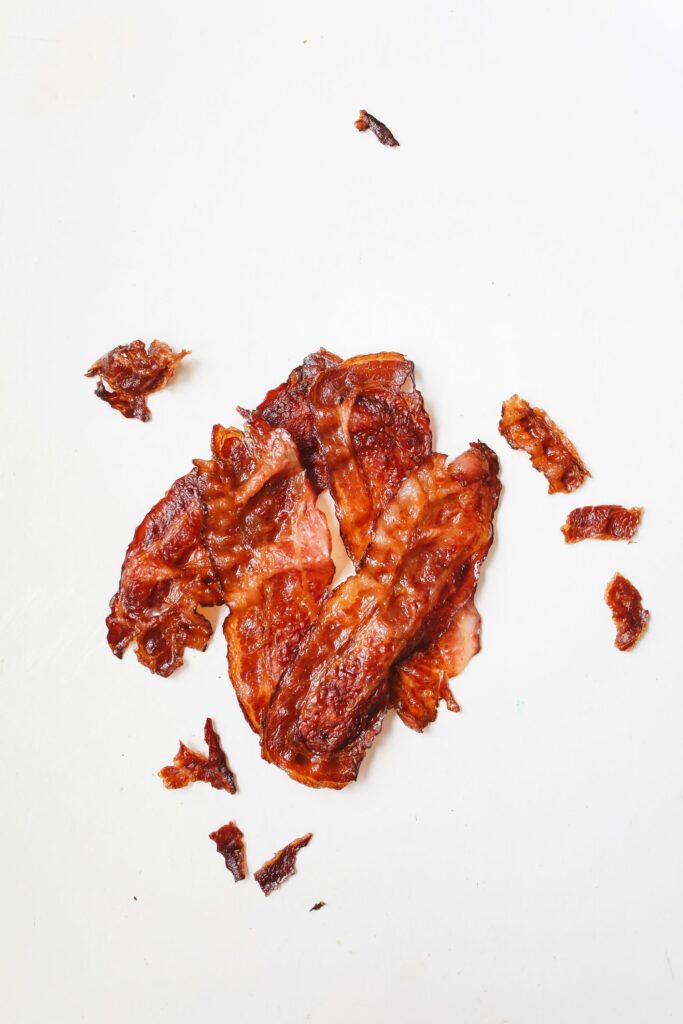
Dogs should not be given bacon as a regular treat. A tiny stolen crumb is unlikely to poison most healthy dogs, but bacon is rich in fat and salt and may contain garlic, onion, pepper, smoke flavor, sweeteners, or other ingredients. A larger serving can cause stomach upset and may be associated with pancreatitis in a susceptible dog.
If your dog ate bacon, check the amount, ingredients, packaging, and whether a cooked bone, skewer, foil, string, or absorbent meat pad is missing. Call your veterinarian promptly for a large amount, a small dog, a dog with prior pancreatitis or another medical condition, or any symptoms.
Can dogs eat bacon safely?
Bacon is not usually treated like a classic poison in the way garlic or xylitol is. The main concern is that it delivers a concentrated, greasy table food that may be hard on a dog’s digestive system. The more that is eaten, the smaller or more medically vulnerable the dog, and the richer the rest of the meal, the more reason there is to call.
A taste and a plateful are different events. One plain bacon crumb may cause no sign. Several strips, bacon grease, a package of raw bacon, or repeated daily sharing creates a different risk picture. There is no universal strip count that guarantees safety.
Dogs with a history of pancreatitis, high blood fats, obesity, diabetes, chronic digestive disease, or a veterinarian-directed low-fat diet need extra caution. The veterinarian who knows the dog’s records can give more useful advice than a generic portion chart.
Why bacon can cause trouble
Fat: Bacon and bacon grease are high-fat foods. Fatty table scraps can trigger vomiting or diarrhea and are considered a risk factor for pancreatitis in dogs. Pancreatitis is inflammation of the pancreas; it can be painful and can become severe. Not every dog that eats bacon develops it, and an owner cannot confirm it from symptoms alone.
Salt: Bacon is cured and often salty. A piece does not automatically cause salt poisoning, but a large quantity, concentrated brine, or bacon eaten with other salty foods raises concern. Fresh water should be available, but do not force a dog to drink.
Seasoning: Pepper may irritate the stomach. Garlic and onion are toxic Allium ingredients. Maple, honey, glaze, or barbecue flavor adds sugar and more ingredients to check. Sugar-free glaze can be an emergency if it contains xylitol.
Calories: Even when no immediate illness occurs, regular bacon adds calories quickly. Daily table scraps can contribute to weight gain and unbalance the main diet.
Objects: Bones, toothpicks, skewers, foil, plastic wrap, butcher paper, and absorbent pads can choke, injure, or obstruct. These can be more urgent than the meat itself.
What pancreatitis can look like
Common signs reported with severe pancreatitis include loss of appetite, repeated vomiting, weakness, dehydration, diarrhea, and abdominal pain. Some dogs hunch their back, seem restless, stretch repeatedly, or resist being picked up around the belly.
These signs are not specific. An intestinal obstruction, toxin, infection, and several other problems can look similar. A veterinarian may need an examination, blood tests, or imaging to identify the cause.
Signs can be delayed after a fatty meal. Do not assume that a normal first hour ends the concern after a large exposure. Ask your veterinarian how long to monitor based on the actual dog and amount.
Go to urgent or emergency care for repeated vomiting, a painful or swollen abdomen, repeated retching without bringing anything up, marked weakness, collapse, pale gums, trouble breathing, blood in vomit or stool, or inability to keep water down.
What to do if your dog ate bacon
Remove the remaining food and prevent other pets from reaching it. Check the package and kitchen area. Estimate the number and size of pieces, whether the dog drank grease or brine, and the time.
Read the full ingredient list. Note garlic, onion, xylitol, chocolate, alcohol, very spicy sauce, or another known hazard. If the dog ate raw bacon, mention that because raw meat adds pathogen concerns.
Call your veterinary clinic when the amount is more than a small taste, when your dog has a relevant health condition, or when you are unsure. If a dangerous ingredient or object may have been swallowed, call right away.
Do not make the dog vomit and do not give hydrogen peroxide, salt, oil, milk, antacids, pain medicine, or leftover veterinary medicine unless a professional directs you. Do not withhold water. Feeding instructions should come from the veterinarian because advice changes with symptoms and medical history.
Monitor only when a veterinary professional or the low-risk facts make that reasonable. Write down vomiting, stool changes, appetite, energy, water intake, and belly discomfort. A short video can help show behavior or retching.
Common bacon situations
One small piece: A healthy large dog may remain completely normal, while a tiny dog or a dog with a sensitive history may not. Remove further access and observe. Call if signs develop.
A whole package: This is a veterinary-call situation. The fat, salt, packaging, and raw-versus-cooked status all matter.
Bacon grease: Grease can deliver a large fat load quickly. Contact a veterinarian rather than waiting for vomiting.
Bacon plus eggs: Plain cooked egg is not the main concern, but butter, grease, cheese, onion, garlic, and portion size can make the meal much richer.
Bacon-wrapped food: Check the center item and any toothpicks or skewers. The hidden item may be toxic or obstructive.
Raw bacon: In addition to fat and salt, raw pork can carry harmful microbes. Do not feed it intentionally; tell the clinic if it was raw.
Safer treat choices
Choose treats made for dogs and sized for the dog. The World Small Animal Veterinary Association advises that all treats together stay under 10 percent of daily calories and that the main diet remain complete and balanced.
For a dog who enjoys soft people food, ask whether a small amount of plain, fully cooked lean meat fits the diet. Do not add skin, grease, salt, garlic, or onion. A dog with pancreatitis or a prescription diet may need only veterinary-approved choices.
Simple produce may fit some healthy dogs. Our guides explain plain blueberries and peeled banana. These are optional extras, not automatic substitutes for every dog.
Food is not the only reward. Play, sniffing time, praise, a favorite toy, or part of the dog’s measured regular food can reward behavior without adding a rich table scrap.
Preventing another kitchen raid
Move cooked bacon and cooling grease away from counter edges. Let hot grease cool in a place the dog cannot reach, then secure the container. Close the trash can and do not leave used paper towels, foil, or absorbent pads on an open surface.
Ask family members to follow the same no-sharing rule. A dog can receive several small pieces when each person believes they gave only one. During busy meals, use a gate, closed room, mat cue, or food toy with part of the dog’s measured meal so prevention does not depend on constant correction.
Common mistakes to avoid
Draining the grease and calling the bacon lean. It remains a cured, fatty food and may still be seasoned.
Using turkey bacon without checking. The meat source changes, but fat, sodium, seasonings, and calories still vary. Read the label rather than assuming the name makes it suitable.
Giving more because the first bite caused no symptoms. Tolerance once does not make daily feeding a sound plan.
Waiting through repeated vomiting. Dehydration and abdominal disease can worsen. Repeated or painful vomiting needs a veterinarian.
Calling bacon a toxin in every amount. That creates panic without helping. The correct response is proportionate: identify the exposure, check the dog, and escalate when amount, history, ingredients, objects, or signs make it necessary.
Quick answers
Can dogs eat cooked bacon? Cooking does not remove the fat, salt, or seasonings. Do not use it as a routine treat.
Can dogs eat bacon bits? Packaged bits may be highly processed and seasoned. Check ingredients, but choose a dog-appropriate reward instead.
Can a dog eat bacon once a week? A repeating rich food can add substantial calories and may not fit the dog’s health. There is no benefit that requires bacon.
What if my dog seems fine? After a tiny taste, observation may be enough for a healthy dog. After a large amount or grease, call even before symptoms. Seek care if signs appear.
Sources
- Pet Poison Helpline: Fatty Table Foods and Dogs
- Merck Veterinary Manual: Pancreatitis in Dogs
- WSAVA Global Nutrition Committee: Feeding Treats to Your Dog
This article is general education. It cannot diagnose pancreatitis or calculate risk for a particular bacon exposure.
Keep exploring
Next reads and tools
Next route
Browse products
Move from article context into real formula review when you want to compare options.
Open routeIngredient context
Inspect ingredients
Use the ingredient library when one concept in the article needs label-level context.
Open routeTrust boundary
Review methodology
See how scoring, interpretation, and explanation boundaries work across the platform.
Open route