Can Dogs Eat Blueberries? Simple Guide
Most dogs can have plain blueberries as an occasional treat. Learn how to serve them, avoid common mistakes, and spot a bad reaction.
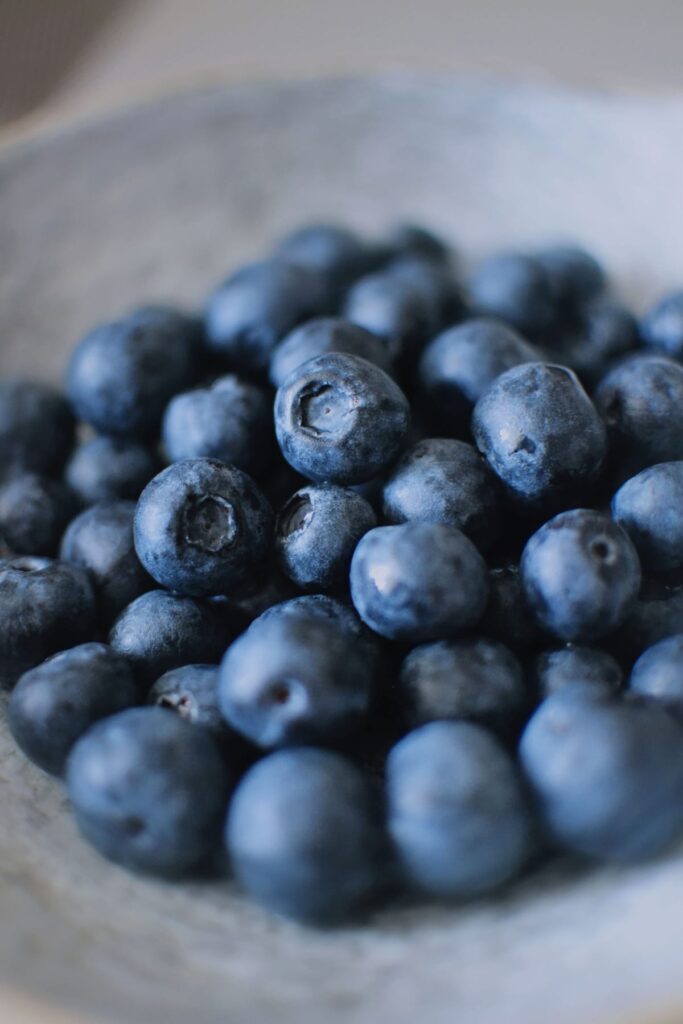
Yes. Most healthy dogs can eat plain blueberries in small, occasional portions. Wash them, remove stems or spoiled fruit, and serve them without sugar, syrup, chocolate, yogurt coating, or other dessert ingredients. Start with a small taste and watch how your dog handles it.
Blueberries are an extra, not a nutritional requirement and not a treatment. A complete dog food should provide the center of the diet. If your dog has diabetes, a prescribed diet, food allergies, swallowing trouble, or a history of digestive problems, ask your veterinarian before adding a new treat.
Can dogs eat blueberries fresh or frozen?
Fresh blueberries are generally suitable when washed and served plain. Frozen blueberries can also be offered, but their firmness and size may be a choking concern for a very small dog, a puppy, or a dog that gulps food. Letting them thaw and gently mashing them can make the texture easier to manage.
Blueberries are naturally small, but small does not always mean no choking risk. Supervise the first serving. For a tiny dog, flatten or cut the berries. For a dog that swallows treats whole, mix a few mashed berries into the regular meal instead of tossing them in the air.
Commercial frozen fruit may be plain or may include sugar and other ingredients. Read the label. A frozen smoothie mix can contain grapes, raisins, chocolate, xylitol-sweetened ingredients, or other foods that change the safety question completely.
Dried blueberries are more concentrated and are often sweetened. Blueberry muffins, pancakes, pie, jam, cereal bars, and yogurt-covered berries are human treats, not simple blueberries. Their fat, sugar, sweeteners, and mixed ingredients make them poor choices for dogs.
What blueberries offer and what they do not
Blueberries contain fiber and plant compounds, including pigments with antioxidant activity. That makes them an interesting whole-food treat, but it does not mean a handful will prevent disease, reverse aging, cure inflammation, or replace a balanced diet.
Nutrition claims are easy to exaggerate. A dog’s health depends on the entire diet, calorie balance, activity, genetics, veterinary care, and many other factors. The evidence that a food contains a nutrient is not the same as evidence that feeding that food produces a particular medical result in an individual dog.
For many owners, the simplest benefit is practical: a blueberry is small, easy to portion, and lower in fat than many rich table scraps. It can work as a training reward when the dog likes it. The reward still counts toward daily extras.
The World Small Animal Veterinary Association advises keeping treats below 10 percent of a dog’s daily calories and keeping the main diet complete and balanced. That is an upper boundary for all treats together, not a target that must be filled with fruit.
How to prepare blueberries for a dog
- Choose fresh or plain frozen berries without added ingredients.
- Discard moldy, leaking, fermented, or badly damaged fruit.
- Wash fresh berries under clean running water.
- Remove stray stems, leaves, packaging, and any non-blueberry fruit.
- For a small or fast-eating dog, thaw, flatten, cut, or mash the berries.
- Offer one small taste first rather than a bowlful.
- Count blueberries with every other treat and topper given that day.
There is no universal berry count for every dog. Calorie needs vary with size, age, body condition, activity, neuter status, and health. A few berries can be a meaningful treat for a small dog, while the same number is a tiny extra for a large dog. Your veterinary team can help set a calorie allowance if weight or disease makes portions important.
Serve blueberries as themselves, mixed into the normal meal, or mashed onto a food toy in a thin layer. Do not add honey or sugar to make them more appealing. If the dog does not like them, there is no reason to insist.
How to buy and store them
Choose berries that are firm and smell fresh. Softness alone is not always a problem, but visible mold, leaking juice, a fermented smell, or an opened package left warm for hours are good reasons to discard them. Do not ask a dog’s stomach to rescue food that a person would not eat.
Refrigerate fresh berries and keep the container where pets cannot raid it. Freeze only clean, sound fruit. If berries are portioned into a reusable food toy, wash the toy after use and discard food that has sat out. These simple steps reduce spoilage and make it easier to know exactly what the dog received.
Blueberry bushes in a yard add another question: plant treatments. Keep dogs away after pesticide, herbicide, or fertilizer use according to the product instructions. Do not feed windfall fruit mixed with unknown berries, mushrooms, mulch, or yard debris.
Common blueberry mistakes
Offering a whole cup because fruit seems healthy. A sudden load of fiber and sugar can cause gas, loose stool, or vomiting. Start small and keep portions modest.
Using a dessert as the test. A blueberry-flavored food may contain very little fruit and a long list of ingredients. Judge the entire product, not the flavor name.
Ignoring the rest of the treat budget. Training treats, dental chews, table scraps, toppers, and blueberries all count. Small extras add up.
Calling antioxidants a medical plan. Blueberries do not replace treatment for cancer, cognitive change, urinary disease, inflammation, or another condition. Ask a veterinarian about the actual problem.
Assuming every berry is safe. Grapes and raisins are dangerous to dogs and can be mixed into fruit bowls or dried-fruit blends. Identify each item before sharing it.
What to watch for after feeding blueberries
A dog trying one or two plain berries may show no change. Mild gas or a softer stool can occur after a new food. Stop offering the berries if they seem to trigger digestive upset.
Call your veterinarian if vomiting or diarrhea repeats, lasts, contains blood, or occurs with weakness, belly pain, marked tiredness, poor appetite, or trouble keeping water down. A new food may be the trigger, but those signs can have many causes and should not be diagnosed at home.
Facial swelling, widespread hives, repeated vomiting, collapse, or difficulty breathing after any food is urgent. Go to an emergency veterinary hospital. True food allergy is not the only possible explanation, but the response should be based on the severity of the signs.
If your dog ate blueberry dessert, sugar-free food, a mixed fruit bowl, or packaging, check every ingredient and object involved. Call promptly if the product contains xylitol, grapes, raisins, chocolate, alcohol, macadamia nuts, or another known hazard. Do not induce vomiting unless a veterinary professional directs you.
Who should ask a vet before sharing?
Ask first if your dog is on a therapeutic or elimination diet. A small outside food can interfere with a diet trial or make it harder to understand which food caused a reaction.
Dogs with diabetes, pancreatitis, chronic digestive disease, kidney disease, obesity, swallowing difficulty, or recurring food reactions need individualized advice. Blueberries may or may not fit; the condition and full diet decide.
Puppies can sometimes have a tiny plain taste, but growth food should stay central. For an older dog with new appetite or swallowing changes, solve the change rather than relying on a favorite fruit.
If you are comparing other simple produce treats, see the guides to bananas for dogs and cooked sweet potatoes for dogs. Safe preparation and total calories matter more than building a long list of extras.
Quick answers
Can dogs eat wild blueberries? Correctly identified, clean blueberries may be suitable, but avoid fruit exposed to pesticides, roadside contaminants, mold, or unknown plants. When identification is uncertain, do not feed it.
Can dogs eat blueberry skin? The skin is part of the berry and does not need to be removed. Wash the fruit and adjust the size or texture for the dog.
Can dogs eat canned blueberries? Plain fruit packed without syrup or sweetener may be possible, but fresh or plain frozen berries make the ingredient list easier. Avoid syrup and mixed products.
Can blueberries help diarrhea? Do not use them as a treatment. Extra fruit can worsen loose stool in some dogs. Repeated diarrhea, blood, pain, weakness, or dehydration needs veterinary guidance.
Sources
- American Kennel Club: Can Dogs Eat Blueberries?
- VCA Animal Hospitals: Feeding Pets Fruits and Vegetables
- WSAVA Global Nutrition Committee: Feeding Treats to Your Dog
This guide is general education. It cannot set a medical-diet portion or identify the cause of symptoms in an individual dog.
Keep exploring
Next reads and tools
Next route
Browse products
Move from article context into real formula review when you want to compare options.
Open routeIngredient context
Inspect ingredients
Use the ingredient library when one concept in the article needs label-level context.
Open routeTrust boundary
Review methodology
See how scoring, interpretation, and explanation boundaries work across the platform.
Open route