Can Dogs Eat Bananas? Safe Serving Guide
Most dogs can have a little plain banana, but the peel and oversized portions cause problems. Learn safe prep, limits, and warning signs.
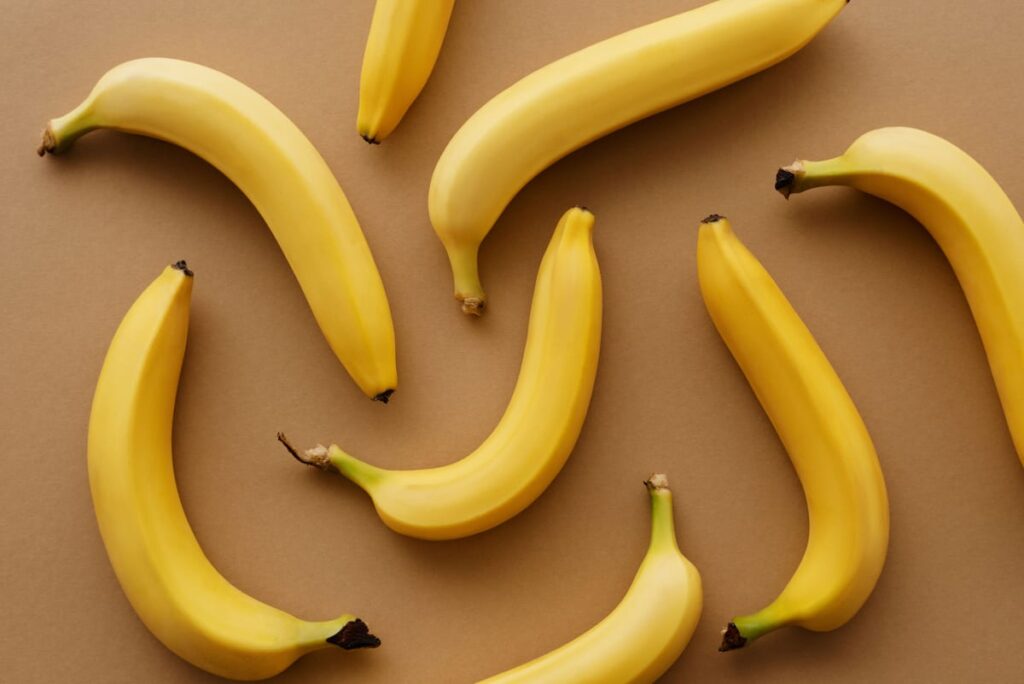
Yes. Most healthy dogs can eat a small amount of peeled, plain banana as an occasional treat. Banana is not toxic to dogs, but it is easy to overfeed and the peel is hard to digest. Skip banana desserts and flavored products. Start with a tiny soft piece, especially for a small dog or puppy.
A banana does not need to be added to a good dog diet. Think of it as one optional treat among many. If your dog has diabetes, needs weight control, is on a prescription diet, or often gets digestive upset, ask your veterinarian before sharing it.
Can dogs eat bananas and banana peels?
The soft fruit can be offered plain in moderation. Remove the peel completely. Banana peel is not generally classified as poisonous, but it is fibrous, difficult to digest, and can become a choking or intestinal-obstruction concern, particularly when a dog swallows a large strip.
If your dog swallowed peel, do not assume that it will always pass without trouble. Call your veterinarian for advice based on the amount, the dog’s size, and current signs. Repeated vomiting, a painful or swollen abdomen, refusing food, straining without producing stool, severe tiredness, or inability to keep water down needs prompt veterinary care.
Remove stickers as well as the peel. A produce sticker is small, but it is still not food. Keep the compost bin and discarded peel out of reach; a dog attracted to banana may swallow other scraps or packaging at the same time.
What banana adds to a dog’s diet
Bananas contain carbohydrates, fiber, potassium, and several vitamins. Those facts describe the fruit; they do not mean a dog needs banana to obtain those nutrients. A complete and balanced dog food is formulated to cover daily nutritional needs when fed appropriately.
Banana’s soft texture can make it convenient for hiding a small pill or spreading a thin layer on a food toy. Ask first before changing how a prescribed medicine is given, because some medicines should not be crushed, split, or served with certain foods.
The fruit also contains natural sugar and calories. Healthy does not mean unlimited. Large or frequent portions can displace balanced food, add unwanted energy, and cause gas or loose stool.
WSAVA’s general treat guidance is to keep all treats under 10 percent of daily calories. That total includes banana, training rewards, chews, toppers, and table scraps together. A veterinary team can translate that limit for a dog’s actual energy needs.
How to serve banana safely
- Choose a fresh banana without mold or fermentation.
- Remove the peel and produce sticker.
- Cut or mash a very small piece appropriate to the dog’s size.
- Serve it plain, with no sugar, chocolate, syrup, cream, or seasoning.
- Offer one new food at a time and watch for digestive changes.
- Reduce other treats so daily extras stay modest.
Soft, ripe banana can be mashed into the dog’s regular food. A thin smear can go inside a supervised food toy. Small pieces can be frozen, but a hard frozen chunk may be unsafe for a tiny dog, a dog with dental pain, or a dog that gulps. Thaw or mash it when texture is a concern.
There is no single slice count that suits every dog. A toy breed, a large active dog, a growing puppy, and a dog on calorie restriction have different needs. Begin below the amount you think might be reasonable and stop if the dog develops gas, loose stool, or vomiting.
The dog does not lose anything important by refusing banana. Do not add peanut butter, cheese, or whipped cream just to make the fruit attractive. Those additions can sharply increase calories and may introduce unsafe ingredients.
Banana foods dogs should skip
Banana bread and muffins: These usually contain sugar and fat, and recipes may include raisins, chocolate, macadamia nuts, or xylitol-sweetened ingredients. A flavor name does not reveal the full risk.
Banana pudding, ice cream, and milkshakes: Dairy, fat, and sugar can cause digestive trouble. Sugar-free versions may contain sweeteners that require urgent ingredient checking.
Banana chips: Some are fried, heavily sweetened, or very hard. A plain chip is still dried and concentrated, so it is easier to overfeed than a soft fresh piece.
Prepared smoothies: These can include grapes, cocoa, coffee, protein powders, supplements, or sweeteners. Do not share unless every ingredient has been checked and is appropriate for the dog.
Whole frozen banana: A big, hard piece can be swallowed poorly or damage a sore tooth. Portion and soften it first if your veterinarian agrees it fits the diet.
What to watch for after a dog eats banana
Mild gas or a softer stool can follow a new food or an oversized portion. Stop the banana and monitor. If signs are mild and brief, no further fruit may be all that is needed.
Call your veterinarian when vomiting or diarrhea repeats, the dog seems painful, will not eat, becomes unusually tired, or cannot keep water down. Blood in vomit or stool, a swollen abdomen, repeated unproductive retching, weakness, collapse, or trouble breathing is urgent.
A sudden reaction with facial swelling, widespread hives, repeated vomiting, collapse, or breathing difficulty needs emergency care. Food reactions are not common enough to expect, but the severity of these signs matters more than the suspected cause.
If your dog ate a mixed banana product, read the ingredient list immediately. Contact a veterinarian or animal poison-control service if it contains xylitol, raisins, grapes, chocolate, macadamia nuts, alcohol, or another dangerous ingredient. Do not make the dog vomit unless a veterinary professional instructs you.
When banana may not fit
Dogs with diabetes need an individualized food and treat plan. Do not use banana to raise or manage blood sugar without veterinary direction. Its natural sugar does not make it a medical tool.
A dog on a weight-loss plan may have room for carefully counted treats, but banana should be compared with the entire day’s calories. A soft piece can look too small to count while repeated pieces add up.
Dogs on elimination trials or prescription diets should not receive outside foods unless the veterinarian allows them. One small snack can interfere with the purpose of a tightly controlled diet.
For puppies, complete growth food matters more than fruit variety. For dogs with recurring pancreatitis or digestive disease, even foods that are low in fat can be inappropriate because the full medical plan matters.
Common questions and mistakes
Can banana settle a dog’s stomach? It is not a general treatment for vomiting or diarrhea. Extra fiber and sugar can make some dogs feel worse. Ask a veterinarian about ongoing digestive signs.
Can dogs eat bananas every day? Daily feeding is usually unnecessary. If a small amount is used regularly for medication or training, include it in the total diet and confirm that it fits the dog’s health and calories.
Is green banana safe? It is firmer and starchier and may be harder to digest. Ripe, soft, plain fruit is the simpler choice.
Is banana safer than all other fruit? Fruits differ. Grapes and raisins are dangerous to dogs, while some other fruits require pits, seeds, or rinds to be removed. Check each food separately. Our blueberry guide and sweet potato guide explain two other common treats.
Does potassium make banana necessary? No. Do not use banana to correct a suspected electrolyte problem. Blood-test abnormalities and supplementation belong with a veterinarian.
A simple decision
If your healthy dog enjoys banana, peel it, offer a small plain piece, and keep it inside the total treat allowance. If your dog ignores it, choose another dog-appropriate reward. If a peel, a large amount, a mixed dessert, or symptoms are involved, move from snack advice to veterinary advice.
That is the useful middle ground: banana is not a miracle food and not a poison. Preparation, portion, the full diet, and the individual dog decide whether it is a sensible extra.
Keep the serving routine simple enough that anyone in the household can follow it. Agree on who gives treats, place a day’s allowance in one container, and ask children not to share from their own plates. This reduces accidental double portions and keeps peels, dessert ingredients, and wrappers away from the dog.
Sources
- ASPCA Animal Poison Control: Banana Is Non-Toxic to Dogs
- American Kennel Club: Can Dogs Eat Bananas?
- WSAVA Global Nutrition Committee: Feeding Treats to Your Dog
This article provides general food-safety education. Your veterinarian can advise whether banana fits a medical diet or interpret symptoms after an actual exposure.
Keep exploring
Next reads and tools
Next route
Browse products
Move from article context into real formula review when you want to compare options.
Open routeIngredient context
Inspect ingredients
Use the ingredient library when one concept in the article needs label-level context.
Open routeTrust boundary
Review methodology
See how scoring, interpretation, and explanation boundaries work across the platform.
Open route