Can Dogs Eat Garlic? A Clear Safety Guide
Dogs should not be given garlic. Learn why every form matters, which delayed signs to watch for, and what to do after an accidental exposure.
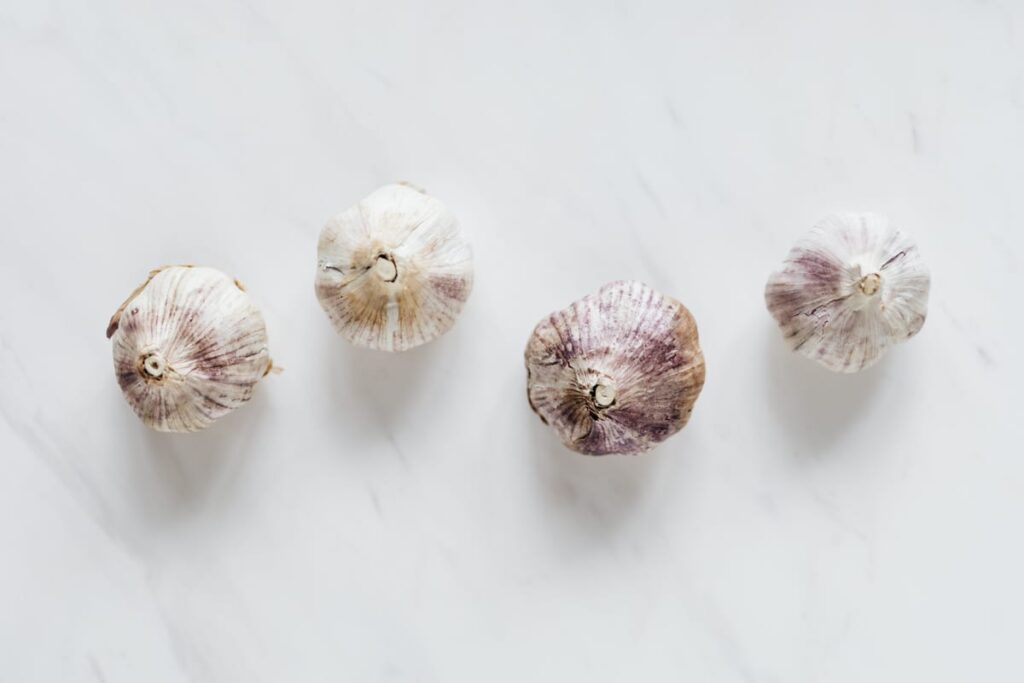
No. Dogs should not be intentionally fed garlic. Raw cloves, cooked garlic, garlic powder, flakes, sauces, seasoning mixes, supplements, and foods flavored with garlic can all matter. If your dog ate garlic, contact your veterinarian or an animal poison-control service promptly. Do not wait for symptoms and do not try to make your dog vomit unless a veterinary professional tells you to.
The calmest useful response is to gather facts: what product was eaten, how much may be missing, when it happened, your dog’s approximate weight, and whether any symptoms have started. The risk cannot be judged from the word garlic alone, and a personalized threshold should not be guessed at home.
Can dogs eat garlic in any form?
Garlic belongs to the Allium group, along with onions, leeks, shallots, and chives. Compounds released from these plants can cause oxidative damage to a dog’s red blood cells. Damaged cells may break down faster than the body can replace them, leading to hemolytic anemia.
Cooking does not make garlic a dog-safe ingredient. Dried and powdered forms can be especially easy to underestimate because a concentrated amount fits into a small spoonful or is spread through a whole dish. A dog may eat garlic without leaving a visible clove behind.
Risk depends on the form, concentration, amount, repeated exposure, the dog’s size, breed, and health. Some dogs may be more susceptible than others. That variation is exactly why this article does not provide a universal dose or a wait-until-this-amount rule.
A tiny accidental taste does not guarantee severe poisoning, but it still deserves a call when the amount or product is uncertain. Poison-control staff and veterinarians assess the full exposure rather than treating every incident as identical.
Why garlic can hurt a dog
The main concern is red blood cell injury. Red blood cells carry oxygen around the body. When enough of them are damaged and destroyed, a dog may become weak, breathe faster, develop pale gums, or collapse. Dark or reddish urine and yellowing of the eyes or gums can also occur.
Garlic can cause digestive signs as well. Vomiting, diarrhea, drooling, abdominal discomfort, or reduced appetite may appear earlier. Those signs are not specific to garlic poisoning, but they are important details to report after a known exposure.
One difficult feature is timing. The more serious signs of red blood cell damage may take days to become obvious. A dog that seems normal an hour after eating garlic has not necessarily reached the end of the risk window. Follow the monitoring plan given by the veterinarian or poison specialist.
Repeated small exposures also matter. Garlic powder in leftovers, seasoning blends, broth, or a supplement can be given more than once before anyone notices a pattern. Tell the professional whether this was a single accident or something the dog may have received regularly.
Common places garlic hides
Garlic is common in pizza, pasta sauce, garlic bread, soups, stews, marinades, meat rubs, flavored rice, takeout food, gravy, stock, salad dressing, and seasoning packets. Removing visible pieces after cooking does not remove garlic that has flavored the rest of the food.
Powder can appear beside onion powder in ingredient lists. Mixed dishes may contain both, increasing the need for an exact label or recipe. Bring the package, photograph the ingredients, or ask the restaurant for an ingredient list if possible.
Some supplements and flea-related products advertise garlic. Natural does not mean harmless, and evidence for using garlic as flea control does not justify the toxicity risk. Ask your veterinarian for a dog-specific parasite-prevention plan instead of experimenting with kitchen ingredients.
Keep garlic bulbs, spice jars, meal-prep scraps, compost, and trash secured. Dogs may eat the papery wrapping, packaging, skewers, or foil along with the food, creating an additional obstruction or injury concern.
What to do if your dog ate garlic
Take the food away and move the dog away from the spill. Check the mouth only if you can do so safely; do not reach into the mouth of a frightened or struggling dog. Save the packaging and note the time.
Call your veterinarian, an emergency veterinary hospital, or an animal poison-control service. Be ready to share the dog’s weight, age, known health conditions, the exact product, ingredient list, estimated amount, and time since exposure. If more than one dog had access, explain that too.
Do not use salt, mustard, hydrogen peroxide, oil, milk, fingers in the throat, or another home method to cause vomiting. Whether decontamination is helpful depends on timing, symptoms, the product, and the dog’s condition. It should be decided and performed or specifically directed by a veterinary professional.
Do not give charcoal or a human medicine without professional direction. Do not feed a large meal in an attempt to dilute the garlic. These steps can complicate care and do not repair red blood cell damage.
If you are already traveling to an emergency clinic, call ahead if it is safe to do so. Staff can prepare and can tell you what packaging to bring.
Symptoms and emergency red flags
Possible early signs include vomiting, diarrhea, drooling, poor appetite, and abdominal discomfort. Later signs can include unusual tiredness, weakness, exercise intolerance, pale gums, rapid breathing, a fast heart rate, dark or red-brown urine, yellow gums or eyes, wobbliness, collapse, or difficulty breathing.
Go to an emergency veterinary hospital now if your dog collapses, cannot stand, struggles to breathe, has blue, gray, or very pale gums, seems profoundly weak, or is rapidly getting worse. These signs indicate an emergency regardless of whether garlic is ultimately the cause.
Do not rely on gum color alone. Lighting, natural pigmentation, and owner experience can make it hard to judge. Known exposure plus any concerning change is enough reason to call.
A veterinarian may recommend examination or blood testing even if signs are not yet obvious. That is not something an owner can replace with a home check. The plan depends on the exposure and the individual dog.
Garlic mistakes worth avoiding
It was cooked, so it is safe. Cooking changes flavor and texture, not the basic reason Allium foods are avoided in dogs.
There was only powder. Powder is concentrated and may be mixed throughout food. The package and amount are essential context.
The dog looks fine, so the danger has passed. Important signs can be delayed. Follow professional advice about the monitoring window.
A large dog can handle it. Body size is only one factor. Do not use it to create a home safety guarantee.
Garlic is healthy for people, so a little helps dogs. Human nutrition claims do not override canine toxicology. A dog’s complete diet should not be improved with a known Allium risk.
Safer ways to add interest to food
If you want to make a dog’s meal more appealing, first ask why the dog needs encouragement. Sudden appetite loss, nausea, dental pain, or illness should be assessed rather than covered with strong-smelling table food.
For a healthy dog, use a dog-appropriate food or treat that fits the daily calorie plan. Plain options that many dogs can tolerate are discussed in our guides to blueberries for dogs and plain cooked sweet potato. Neither is required for health, and both still need portion and medical-diet context.
Read every ingredient list. A seemingly simple meat, broth, or vegetable dish may contain garlic or onion seasoning. When someone else feeds your dog, state the rule plainly: no garlic, onions, leeks, shallots, or chives.
Quick answers
Can dogs eat garlic bread? No. Garlic is the main concern, and the butter, salt, or other seasonings can add digestive risk.
Can dogs eat garlic powder? No. Powder is concentrated and easy to underestimate. Call for advice after an exposure.
What if garlic is near the end of a dog-food ingredient list? Do not change a complete commercial diet based on one word without context. Ask the manufacturer for formulation questions and your veterinarian about your individual dog. This is different from adding garlic powder or a supplement at home.
Can I watch at home after one lick? A professional can help decide that after hearing the product, amount, timing, dog, and symptoms. A call does not automatically mean treatment, but it avoids guessing.
Sources
- Merck Veterinary Manual: Garlic and Onion Allium Toxicosis
- ASPCA Animal Poison Control: Garlic
- Pet Poison Helpline: Garlic
This is general safety information, not a calculation of your dog’s risk. For an actual exposure, use a veterinarian or animal poison-control professional who can assess the specific case.
Keep exploring
Next reads and tools
Next route
Browse products
Move from article context into real formula review when you want to compare options.
Open routeIngredient context
Inspect ingredients
Use the ingredient library when one concept in the article needs label-level context.
Open routeTrust boundary
Review methodology
See how scoring, interpretation, and explanation boundaries work across the platform.
Open route