Why Does My Cat Keep Throwing Up?
Repeated vomiting is not something to solve by guessing. Learn the warning signs, what details to record, and when your cat needs prompt veterinary care.
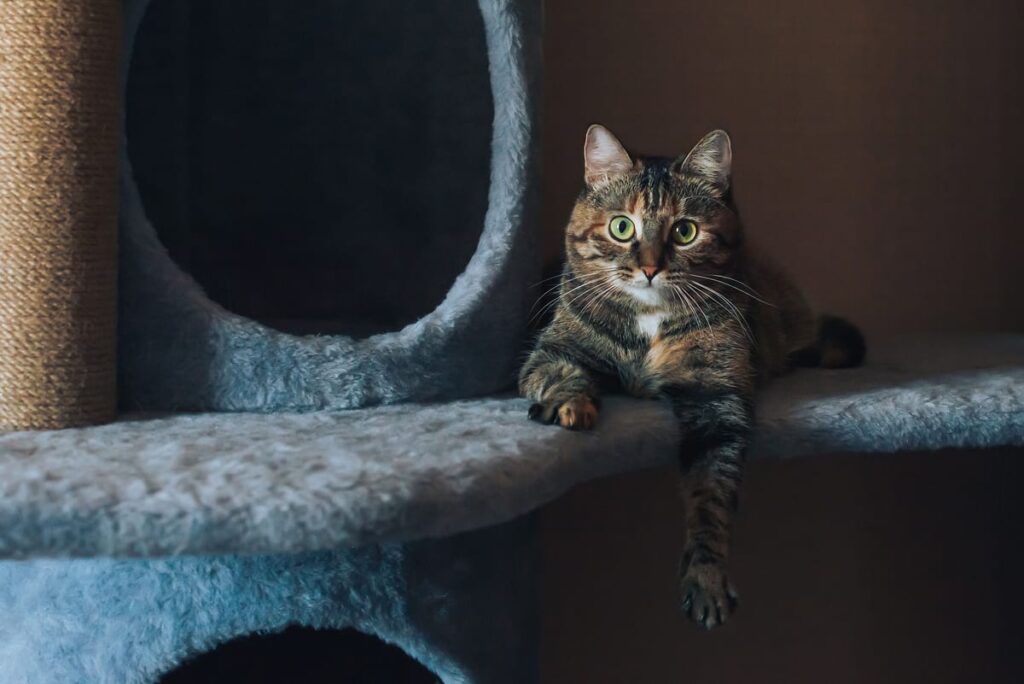
Verdict: If you are asking, “Why does my cat keep throwing up?”, the pattern deserves veterinary attention rather than another food experiment. One isolated episode in an otherwise bright, comfortable cat can be different from repeated vomiting, but frequency is only part of the decision. Blood, pain, weakness, breathing trouble, a swollen belly, possible poison or string exposure, poor appetite, weight loss, or changes in thirst and urination raise the urgency.
Vomiting is a sign, not one disease. It can come from a problem inside the digestive tract or from illness elsewhere in the body. The useful next step is to describe exactly what happened and how the cat is acting, then let a veterinarian decide what examination or testing is needed.
Key takeaways
- Seek urgent care for breathing trouble, collapse, severe weakness, repeated unproductive retching, a painful or swollen abdomen, blood, or suspected poison or foreign-object exposure.
- Call promptly when vomiting repeats, the cat cannot keep food or water down, or another sign appears.
- A cat that stops eating needs timely veterinary advice; prolonged food refusal can become dangerous.
- Film an episode if you can do so safely. Vomiting, regurgitation, and coughing can look similar.
- Do not give human medicine, induce vomiting, or start a restrictive diet without veterinary direction.
- Keep a simple record of timing, food, appearance, appetite, stool, water intake, urination, and behavior.
First decide how urgent this looks
Go to an emergency clinic or call for immediate guidance if the cat has difficulty breathing, blue or very pale gums, collapses, is barely responsive, has severe pain, has a rapidly enlarged abdomen, or keeps retching without bringing anything up. A known or possible exposure to string, ribbon, thread, a toxic plant, human medication, household chemical, or antifreeze also needs fast professional advice.
Blood in the material, black stool, marked weakness, obvious dehydration, fever, or repeated vomiting in a short period are concerning. Kittens, senior cats, and cats with kidney disease, diabetes, heart disease, or another ongoing condition can have less reserve, so call earlier.
If there are no dramatic emergency signs, contact your regular veterinarian promptly when vomiting continues or returns. Cornell advises veterinary evaluation for cats vomiting more often than once a week or vomiting with lethargy, weakness, reduced appetite, blood, diarrhea, or changes in drinking or urination. You do not need to wait until a cat meets every item on that list.
Make sure the event is really vomiting
Vomiting usually involves nausea signs and abdominal effort. A cat may lick the lips, drool, swallow repeatedly, crouch, retch, and contract the belly before bringing up stomach contents. The material may include partly digested food, liquid, foam, bile, hair, or other objects.
Regurgitation is more passive. Food or liquid often comes back up soon after swallowing, with little warning or abdominal heaving. The material may look undigested and tube-shaped. This difference can point a veterinarian toward the esophagus rather than the stomach, but owners should not try to identify the cause from appearance alone.
Coughing can also be mistaken for a hairball episode. A coughing cat may crouch with the neck extended and make repeated hacking sounds without producing a hairball. Breathing difficulty is never a wait-and-see hairball problem. Record a short video from a safe distance and show it to the clinic.
Common cause groups, not a home diagnosis
A sudden episode can follow eating too quickly, a rapid food change, spoiled food, or something the cat swallowed. Hair can irritate the stomach or form a hairball. Parasites and infections are other possibilities.
Foreign objects deserve special attention. String, yarn, dental floss, ribbon, rubber bands, and small toy pieces can create an obstruction or injure the digestive tract. Never pull visible string from a cat’s mouth or rectum; it may be caught internally. Keep the cat from chewing more and seek veterinary care.
Repeated or long-term vomiting has a wider list. Inflammatory digestive disease, food reactions, constipation, pancreatitis, parasites, kidney disease, liver disease, hyperthyroidism, diabetes, tumors, and other conditions can look similar at home. Cornell and the Merck Veterinary Manual both describe a broad range of possible causes.
This is why changing proteins every few days usually creates more confusion. A diet trial, when appropriate, needs a defined food, a defined period, and veterinary oversight. Random changes can upset the stomach and erase the history that might have helped.
Hairballs are not an all-purpose answer
A hairball is typically a damp cylinder of hair, not a round ball. An occasional hairball can happen, especially in a long-haired cat or during heavy shedding. Frequent hairballs, repeated retching, or repeated vomiting still deserves evaluation because another problem may be present.
Regular brushing can reduce loose hair swallowed during grooming. It does not solve vomiting caused by kidney disease, intestinal inflammation, obstruction, or another illness. Do not keep adding oils, laxatives, fiber, or hairball products when you do not know what is happening. Ask the veterinarian which approach, if any, fits the cat.
What to record before the appointment
A clear timeline is more useful than saying the cat “throws up a lot.” Write down:
- The date and time of every episode.
- Whether it happened before eating, during eating, or how long after a meal.
- What the cat ate and whether the food or treats recently changed.
- The appearance and approximate amount, including food, clear liquid, yellow fluid, foam, hair, blood, plants, or foreign material.
- Whether there was heaving, coughing, gagging, or passive return of food.
- Appetite, water intake, urination, stool, activity, hiding, and signs of pain.
- Any weight change and the date of the last normal meal.
- Medicines, supplements, flea products, and possible access to plants, chemicals, string, or human food.
Bring packaging or a photo if a new food, medication, plant, or household product may be involved. If lavender or a scented oil is part of the exposure, use our lavender safety guide while you contact a veterinarian or animal poison service.
What the veterinarian may need to check
The workup begins with the history and physical examination. Depending on the pattern, age, and other signs, the veterinarian may recommend blood, urine, or fecal tests. Imaging can be useful when a foreign object, mass, or organ problem is possible. Some long-term cases need more specialized imaging or sampling.
There is no single “vomiting test” that answers every case. A normal result on one test does not mean the sign is imaginary, and a long list of tests is not automatically needed for every isolated episode. The veterinarian uses the cat’s stability and history to choose the next useful step.
Treatment depends on the cause and the cat’s hydration and nutrition. Anti-nausea drugs, fluids, diet changes, parasite treatment, or surgery may be appropriate in different cases, but they are not interchangeable home remedies.
Food and appetite: what not to improvise
Do not copy a long fasting plan from a general article. Cats are not small dogs, and a cat that is already eating poorly can develop additional problems. Cornell notes that sustained appetite loss can seriously affect an adult cat in a short time. Call the veterinary team for feeding instructions that fit the cat’s age, body condition, and medical history.
Do not force-feed a nauseated cat unless a veterinarian has shown you how and told you to do it. Food can be aspirated, and force can create a lasting food aversion. Do not give human stomach medicine, pain relievers, or leftover prescriptions.
If a food change is recommended after the cat is stable, make it in the way the clinic advises. For everyday label checks, our cat food selection guide explains complete-and-balanced statements and manufacturer questions. Cats with known kidney disease need an individual plan; see the low-phosphorus food guide for the limits of comparing one nutrient.
A simple call script
When you phone the clinic, say: “My cat has vomited this many times over this period. The last normal meal was at this time. The cat is or is not keeping water down. These other signs are present. There may or may not have been access to these objects or substances.”
Add the cat’s age, known conditions, current medicines, and whether the event looked like forceful vomiting, passive regurgitation, or coughing. Ask where the cat should be seen and how quickly. That short, specific report helps the team triage more safely than a guess about the cause.
Sources
- Cornell Feline Health Center, vomiting: https://www.vet.cornell.edu/departments-centers-and-institutes/cornell-feline-health-center/health-information/feline-health-topics/vomiting
- Merck Veterinary Manual, vomiting in cats: https://www.merckvetmanual.com/cat-owners/digestive-disorders-of-cats/vomiting-in-cats
- Cornell Feline Health Center, anorexia: https://www.vet.cornell.edu/departments-centers-and-institutes/cornell-feline-health-center/health-information/feline-health-topics/anorexia
- American Animal Hospital Association, emergency warning signs: https://www.aaha.org/resources/help-is-this-a-pet-emergency/
Keep exploring
Next reads and tools
Next route
Browse products
Move from article context into real formula review when you want to compare options.
Open routeIngredient context
Inspect ingredients
Use the ingredient library when one concept in the article needs label-level context.
Open routeTrust boundary
Review methodology
See how scoring, interpretation, and explanation boundaries work across the platform.
Open route