Why Is My Dog Panting So Much?
Panting can be normal cooling or a sign of pain, heat illness, or breathing trouble. Learn how to read the situation and when to get urgent help.
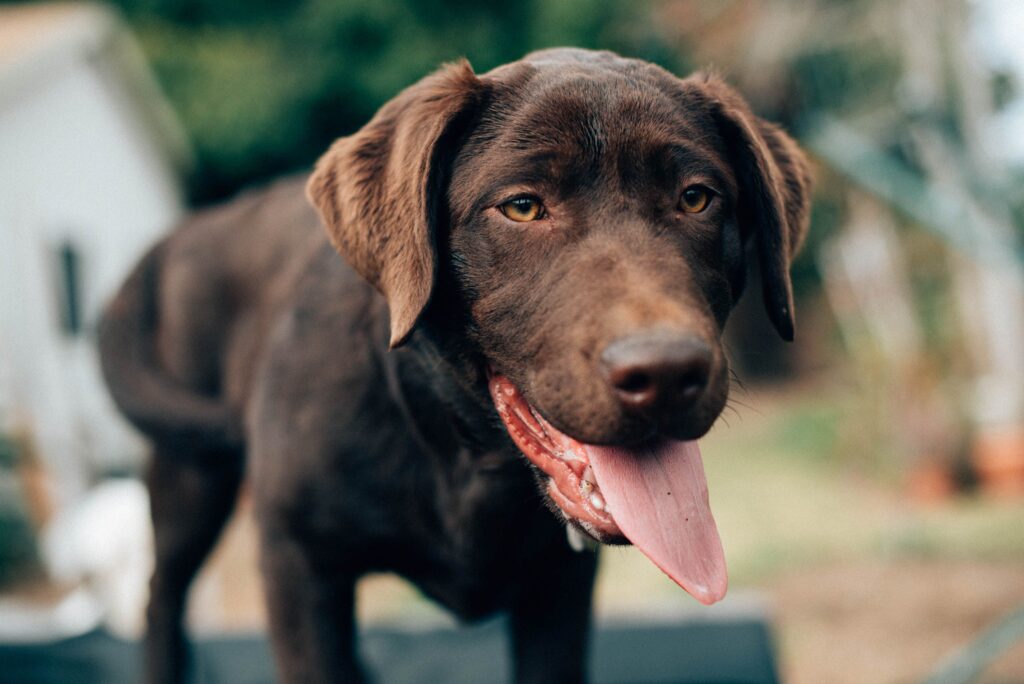
Dogs normally pant after exercise, in warm weather, or during excitement. Panting becomes concerning when it is new, intense, happens at rest, does not settle, or comes with other changes. If your dog is struggling to breathe, has blue, gray, very pale, or unusually dark-red gums, collapses, cannot stand, has a swollen belly, or may be overheating, go to an emergency veterinary hospital now.
If you are asking, why is my dog panting so much?, do not count breaths while the dog is actively panting and assume a number will reveal the cause. Look at the whole scene: what happened before it started, the temperature, how hard the dog is working to breathe, gum color, body position, behavior, and other symptoms.
When panting is normal
Panting helps dogs release heat. It is expected after running, vigorous play, or time in warm conditions. Excitement and short-lived stress can also cause an open mouth, faster breathing, pacing, drooling, or a tense body.
Normal panting should make sense for the situation and ease as the dog rests in a comfortable environment. The dog should remain alert, move normally, and recover without increasing effort. A familiar pattern after a normal walk is less worrying than hard panting that appears while the dog is asleep.
Breed and body shape matter. Short-nosed dogs have less efficient airflow and may overheat or develop breathing trouble sooner. Older dogs, very young dogs, overweight dogs, and dogs with heart, airway, or lung disease may also have less reserve. A pattern that another dog handles easily may not be safe for yours.
Knowing your dog’s baseline is useful. Notice how long ordinary post-walk panting lasts, how the dog rests, and what the gums normally look like. A clear video of an unusual episode can help a veterinarian see what happened if the signs stop before an appointment.
Panting versus breathing distress
Panting is usually rapid, shallow, open-mouth breathing with the tongue visible. A dog in respiratory distress may also breathe with an open mouth, so appearance alone is not enough.
Concerning effort includes the belly pulling hard with each breath, the head and neck stretched forward, elbows held away from the chest, noisy wheezing or whistling, inability to lie comfortably, or an anxious fixed posture. Weakness, collapse, or a blue tint to the gums or muzzle suggests inadequate oxygen and is an emergency.
Cornell University College of Veterinary Medicine describes respiratory distress as an immediate emergency. Keep the dog calm, keep the car cool, and travel to the nearest emergency hospital. Call ahead if doing so will not delay leaving.
Do not muzzle a dog that is struggling to breathe. Do not force food or water. Avoid compressing the neck or chest during transport. A frightened dog may bite, so handle gently and minimize extra movement while protecting yourself.
Common reasons a dog may pant more
Heat and exercise: The body may be trying to cool itself. Humidity, direct sun, a parked car, hot pavement, poor ventilation, and intense play all increase risk. Heat illness can progress even after the dog leaves the hot area.
Stress or fear: Thunder, fireworks, travel, a veterinary visit, separation, pain, or conflict can trigger panting. Stress signs may also include tucked posture, lip licking, pacing, trembling, pinned ears, or inability to settle. New anxiety in an adult or older dog should not automatically be labeled behavioral; illness or pain may contribute.
Pain: Dogs in pain do not always cry. Panting at rest, restlessness, repeated position changes, reluctance to move, a hunched posture, guarding, or a changed appetite can be clues. Pain can come from injury, abdominal disease, dental trouble, joints, or other sources.
Fever or illness: Infection and inflammation can change breathing and temperature. Vomiting, diarrhea, cough, appetite loss, tiredness, or a sudden behavior change adds context but does not identify one diagnosis.
Airway, lung, or heart problems: Narrowed airways, laryngeal problems, pneumonia, fluid around or in the lungs, heart disease, and other conditions can increase breathing effort. These require examination; an owner cannot sort them reliably by sound alone.
Medication or hormone effects: Some prescribed drugs can increase thirst, restlessness, or panting. Certain hormonal conditions can also be associated with ongoing panting. Do not stop a prescription abruptly. Call the prescribing clinic and describe the timing.
Heatstroke warning signs
Heavy or rapidly worsening panting after heat exposure is not something to watch casually. Drooling, vomiting, diarrhea, hot skin, weakness, confusion, poor coordination, collapse, or unconsciousness can occur with heatstroke.
Move the dog out of the heat and begin heading for emergency veterinary care. Use cool or room-temperature water and moving air while arranging transport; avoid ice water or covering the dog in heavy wet towels that can trap heat. Do not delay travel while trying to return the dog completely to normal at home.
Short-nosed dogs can overheat even when conditions do not feel extreme to a person. A car can become dangerous quickly, and shade alone may not make strenuous activity safe in humid weather.
If heat exposure is possible and the dog has concerning signs, treat the situation as urgent. A dog may appear to improve while internal injury is still developing.
What to check without delaying care
Move to a quiet, comfortably cool place. Stop exercise. Observe from a short distance so handling does not add stress.
Ask these questions: Did the dog just exercise? Is the room or outdoor area warm or humid? Did a frightening event occur? Is the breathing visibly labored? Can the dog walk normally? Are the gums their usual color? Is there coughing, vomiting, retching, drooling, swelling, limping, or a distended abdomen?
Note when the episode began and whether it is improving. Record medications and possible access to toxins or human food. If safe, take a short video showing the chest and abdomen. Do not hold the mouth closed for the video.
A resting respiratory rate can be useful when a dog is fully asleep and not panting, but it is only one clue. Ask your veterinarian how to measure and interpret it for a dog with a known heart or lung condition.
Nighttime panting deserves context
A warm room, a frightening noise, or a recent burst of activity can explain a short nighttime episode. Repeated panting that wakes the dog, occurs in a cool quiet room, or comes with pacing, coughing, thirst, accidents, stiffness, or inability to get comfortable should be discussed with a veterinarian.
Do not assume age alone explains the change. Older dogs can develop pain, medication effects, cognitive changes, heart or lung disease, and other problems that need different responses. Record when it starts, how long it lasts, and whether changing position or going outside alters it.
When to call a veterinarian
Arrange prompt advice when panting is new, frequent, occurs overnight or at rest, takes longer than usual to settle, or is paired with appetite, thirst, urination, weight, mobility, sleep, cough, or behavior changes. A same-day assessment may be appropriate even when the dog is not in obvious distress.
Go immediately for labored breathing, blue or pale gums, collapse, severe weakness, suspected heatstroke, a swollen abdomen with repeated unsuccessful retching, major trauma, facial swelling, hives with breathing changes, or rapid worsening.
Pregnant or nursing dogs with panting plus restlessness, stiffness, tremors, or seizures also need emergency assessment. Do not try to correct a suspected calcium problem with supplements at home.
If vomiting is part of the picture, read the guide to white foam vomiting in dogs. If rich food was eaten before the panting and abdominal signs, the bacon safety guide explains why table scraps matter. These links provide context, not a diagnosis.
Common mistakes
Assuming every pant is anxiety. Fear can cause panting, but so can pain, heat, and serious cardiopulmonary disease. New or unexplained episodes deserve medical consideration.
Waiting for a blue tongue. Blue color is a late emergency sign. Visible breathing effort, weakness, or inability to settle is enough to leave for care.
Giving a human pain reliever or sedative. Common human medicines can be dangerous to dogs or can mask a worsening problem. Use only medication prescribed for that dog and situation.
Forcing water into a heavily panting dog. This can be inhaled into the airway. Offer access only if the dog can drink normally and a professional has not advised otherwise.
Cooling with ice. Extreme cold is not the goal in suspected heatstroke. Start safe cooling and travel for veterinary assessment.
Sources
- Cornell University College of Veterinary Medicine: Canine Respiratory Distress
- Cornell University College of Veterinary Medicine: Anxious Behavior
- Merck Veterinary Manual: Dog and Cat Emergencies
- VCA Animal Hospitals: Pain Management for Dogs
This guide helps owners recognize patterns and urgency. It cannot determine the cause of panting without examining the dog.
Keep exploring
Next reads and tools
Next route
Browse products
Move from article context into real formula review when you want to compare options.
Open routeIngredient context
Inspect ingredients
Use the ingredient library when one concept in the article needs label-level context.
Open routeTrust boundary
Review methodology
See how scoring, interpretation, and explanation boundaries work across the platform.
Open route