Can Dogs Drink Milk? What Owners Should Know
A small lick may be tolerated, but many adult dogs do not digest milk well. Learn about lactose, puppies, milk alternatives, and warning signs.
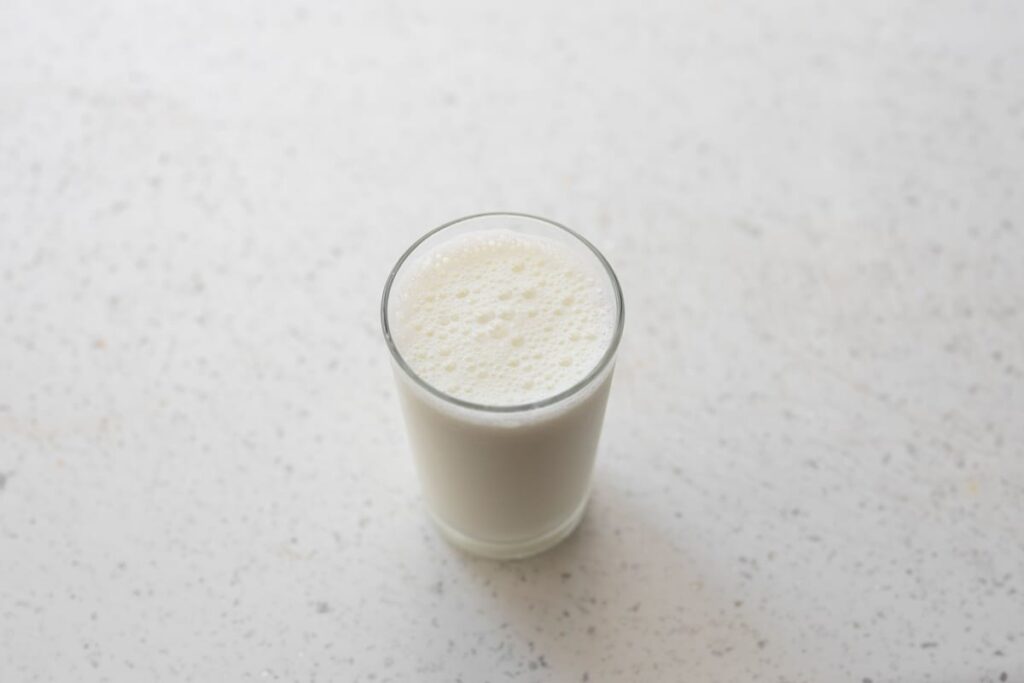
Some dogs can tolerate a small taste of plain milk, but milk is not a good everyday drink for dogs. Many adult dogs digest lactose poorly, and a larger amount can cause gas, bloating, diarrhea, vomiting, or abdominal discomfort. Fresh water should be the normal drink.
If your dog had one lick and feels normal, simple observation may be enough. If the dog drank a bowlful, is very small, has a medical condition, or develops repeated or severe symptoms, call your veterinarian. Check flavored and plant-based products for xylitol, chocolate, coffee, macadamia nuts, or other unsafe ingredients.
Can dogs drink milk without getting sick?
It depends on the dog, the milk, and the amount. Puppies produce lactase to digest the lactose in their mother’s milk. Lactase activity can decline after weaning, so some adult dogs cannot break down cow’s or goat’s milk well.
Lactose that is not digested in the small intestine can draw water into the bowel and be fermented by intestinal microbes. The result may be gas, bloating, loose stool, urgency, or abdominal discomfort. Sensitivity varies; one dog may tolerate a taste while another reacts to a small amount.
Milk also supplies fat, natural sugar, and calories. Even a dog that digests lactose may develop stomach upset after drinking a large portion. Regular extra calories can contribute to weight gain, and high-fat dairy can be unsuitable for dogs with pancreatitis or a low-fat medical plan.
Because tolerance is individual, this guide does not offer a universal cup or spoon limit. Milk is optional. There is no nutritional reason to test how much a dog can handle.
Lactose intolerance is not the same as milk allergy
Lactose intolerance is a digestive problem involving the milk sugar lactose. Typical signs are gas, bloating, abdominal discomfort, and diarrhea after dairy. It does not require the immune system to react.
A food allergy or sensitivity involves a different process and may be associated with recurring skin, ear, or digestive signs. Owners cannot reliably separate allergy, intolerance, infection, dietary excess, and other causes from one episode.
If signs occur every time dairy is eaten, stop offering it and keep a record of the product, amount, timing, and symptoms. Discuss repeated reactions with a veterinarian rather than repeatedly testing the dog at home.
A dog on a formal elimination diet should receive only foods allowed by the veterinarian. A splash of milk, cheese used for pills, or a flavored chew can interfere with the trial.
Milk for puppies is a separate question
Very young puppies need their mother’s milk or a commercial canine milk replacer chosen and used with veterinary guidance. Cow’s milk, goat’s milk, condensed milk, and human infant formula do not match the nutritional needs of orphaned puppies.
An orphaned, rejected, weak, cold, or poorly nursing puppy needs prompt veterinary help. Feeding technique, formula concentration, temperature, and hydration all matter, and aspiration can be life-threatening. Do not pour milk into a puppy’s mouth.
Once a puppy is weaned, a complete puppy food and water should take over. Continued cow’s milk is not required for bones, growth, or calcium when the puppy diet is appropriate.
If a puppy has diarrhea after any milk or formula, contact a veterinarian quickly. Young puppies can dehydrate and lose strength faster than healthy adult dogs.
What about goat, lactose-free, and plant milk?
Goat milk: It still contains lactose and can still cause digestive upset. Natural or raw does not make it automatically safer. Raw milk can carry harmful microbes.
Lactose-free milk: Removing lactose does not remove fat, calories, milk proteins, or added flavors. It may be easier for some dogs to digest, but dogs do not need it as a drink.
Almond, oat, soy, and coconut drinks: These vary widely. They may contain oil, sugar, gums, flavoring, chocolate, or sweeteners. Xylitol on an ingredient list is an emergency for dogs. Nut-based drinks may also be unsuitable for a dog with food reactions.
Evaporated, condensed, and powdered milk: These are concentrated or sweetened products and are not casual dog drinks. Keep them away from pets.
Chocolate or coffee-flavored milk: Chocolate and caffeine create a different toxicity concern. Call a veterinarian or animal poison-control service rather than waiting for digestive signs.
What to do if your dog drank milk
Identify the exact product and estimate how much is missing. Keep the carton or take a photograph of the ingredient and nutrition panels. Note whether the product was spoiled, raw, flavored, sugar-free, or mixed with another food.
For a small amount of plain pasteurized milk in a healthy adult dog who remains normal, remove further access and monitor. Keep water available and avoid adding more new treats that day.
Call your veterinarian after a large amount, if the dog has pancreatitis, diabetes, chronic digestive disease, a known dairy reaction, or a prescribed diet, or if the product contains questionable ingredients. Do not make the dog vomit unless a veterinary professional directs you.
Seek urgent care for repeated vomiting, severe or bloody diarrhea, a painful or swollen belly, repeated unproductive retching, marked weakness, collapse, pale or blue gums, difficulty breathing, facial swelling, seizures, or inability to keep water down.
If mild diarrhea occurs once, stop the dairy and observe closely. Persistent symptoms, dehydration, a puppy, an older frail dog, or a dog with another illness lowers the threshold for calling.
Spoiled or raw milk changes the question
Milk left warm, past its safe storage period, or taken from an open trash container may expose a dog to microbes as well as lactose and fat. Raw milk also carries a pathogen risk. Tell the veterinarian about storage conditions instead of describing the exposure only as milk.
Do not taste questionable milk to decide whether it is safe for the dog. Keep the container, check whether another spoiled food was accessible, and watch the people in the household for illness too. Repeated vomiting, bloody diarrhea, feverish behavior, weakness, or dehydration warrants prompt veterinary advice.
Common milk mistakes
Using milk for hydration. Water is the appropriate daily drink. A dog refusing water or becoming dehydrated needs the cause addressed, not a sweeter beverage.
Giving milk for calcium. A complete dog food should already provide minerals in an appropriate balance. Adding calcium without a veterinary reason can be harmful, especially during growth.
Assuming a dairy-loving dog digests dairy well. Preference does not predict tolerance. Dogs often seek foods that later upset their stomach.
Calling every loose stool an allergy. Amount, lactose, fat, spoilage, infection, and many other factors can cause diarrhea. Repeated patterns need a proper history and examination.
Replacing puppy formula with grocery-store milk. Canine milk replacer is made for puppies; household milk is not an equivalent substitute.
Safer ways to treat or hydrate a dog
Keep clean water accessible in quiet locations. Wash bowls regularly and add another bowl if multiple pets compete. A dog suddenly drinking much more or less than usual should be discussed with a veterinarian.
For treats, use part of the dog’s measured food or a dog-appropriate reward that fits the health plan. The guides to blueberries for dogs and bananas for dogs explain two optional plain foods for dogs who can have extras.
When medication needs to be hidden, ask the prescribing clinic what food and method are compatible. A small purpose-made pill treat or approved portion of regular wet food may be simpler than dairy.
If appetite or thirst is the reason you reached for milk, pay attention to that change. Persistent refusal to eat or drink, nausea, mouth pain, weakness, or behavior change needs veterinary assessment.
Quick answers
Can dogs drink a little cow’s milk? Some tolerate a small taste, but others develop digestive signs. It is optional and should not become the regular drink.
Can dogs drink goat milk? Goat milk still contains lactose and calories. It can cause the same basic problems and is not needed by a weaned dog.
Can dogs have cheese or yogurt if milk causes diarrhea? Dairy products contain different amounts of lactose and fat, but a dog with a reaction should not be tested repeatedly. Ask the veterinarian.
Can milk help after a dog eats poison? Do not give milk as a home antidote. Call a veterinarian or animal poison-control service and follow case-specific directions.
Sources
- Merck Veterinary Manual: Malabsorption Syndromes in Small Animals
- PetMD: Can Dogs Drink Milk? (veterinarian authored)
- VCA Animal Hospitals: Adverse Food Reactions in Dogs
This article provides general education. It does not diagnose lactose intolerance, allergy, dehydration, or illness in an individual dog.
Keep exploring
Next reads and tools
Next route
Browse products
Move from article context into real formula review when you want to compare options.
Open routeIngredient context
Inspect ingredients
Use the ingredient library when one concept in the article needs label-level context.
Open routeTrust boundary
Review methodology
See how scoring, interpretation, and explanation boundaries work across the platform.
Open route