Cat Sneezing: When to Watch and Call the Vet
An occasional sneeze can be minor, but breathing trouble, poor appetite, eye or nose discharge, weakness, or persistent sneezing needs veterinary advice.
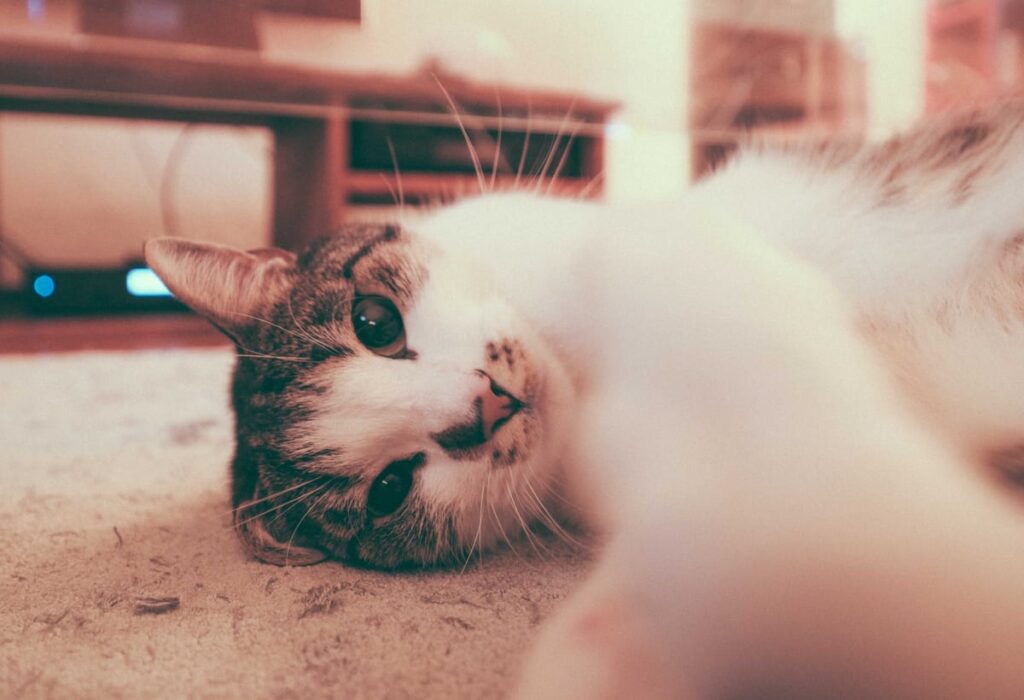
Verdict: One or two sneezes from a cat that is breathing comfortably, eating, and acting normally may be reasonable to watch. Repeated cat sneezing, especially with eye or nose discharge, poor appetite, fever, weakness, swelling, blood, or noisy breathing, needs a call to a veterinarian.
Breathing difficulty is different. Open-mouth breathing, obvious effort, blue or pale gums, collapse, or a cat that cannot settle comfortably is an emergency. Do not wait for an online cause list to narrow it down.
Key takeaways
- Go urgently for open-mouth breathing, marked effort, blue or pale gums, collapse, or severe weakness.
- Call the clinic when sneezing persists, returns often, or comes with discharge, appetite loss, mouth ulcers, eye pain, coughing, or lethargy.
- Respiratory infections are common, but irritation, dental disease, foreign material, inflammation, fungus, and growths can produce similar signs.
- Do not give human cold medicine, decongestants, antibiotics, or essential oils.
- Keep a sick cat separated from other cats until a veterinarian advises otherwise.
- Record a video and note exposure to new cats, boarding, shelters, smoke, sprays, dust, birds, or raw animal products.
When sneezing becomes urgent
Watch the chest and belly when the cat is resting. A cat struggling to move air may extend the neck, breathe with the mouth open, use the abdomen heavily, or look panicked. Cornell’s respiratory guide says lower respiratory disease can cause difficult or rapid breathing. Any obvious breathing distress needs immediate veterinary care.
Call promptly when a kitten, senior cat, or cat with another illness develops respiratory signs. Young cats can become dehydrated or stop eating, and a stuffy nose can make food less appealing because smell helps drive appetite.
Other reasons to call sooner include thick or bloody discharge, one-sided discharge that persists, swelling of the face or nose, an injured eye, repeated pawing at the face, coughing, fever, mouth sores, drooling, dehydration, or a major behavior change. A cat that has not eaten normally also deserves timely advice.
Common reasons a cat may sneeze
Upper respiratory infection is a frequent cause. Cornell lists feline herpesvirus and feline calicivirus among the common viral causes, with bacteria and other organisms also possible. Signs can include sneezing, discharge from the eyes or nose, conjunctivitis, mouth ulcers, fever, lethargy, and reduced appetite. The exact mix varies.
Infection is not the only category. Dusty litter, smoke, aerosol cleaners, perfume, strong fragrance, and other airborne irritants may trigger sneezing or watery eyes. Improvement after removing an irritant can be useful history, but it does not prove the cause.
Rhinitis means inflammation inside the nose. The Merck Veterinary Manual explains that acute rhinitis in cats is commonly viral, while longer-lasting nasal disease can have several causes. Dental problems, foreign material such as a grass seed, fungal infection, polyps, and tumors are among the possibilities a veterinarian may consider based on the cat’s age and pattern.
A one-sided problem, blood, facial change, or signs that keep returning may prompt a different workup than a short, uncomplicated infection. Do not put liquid, tweezers, or a cotton swab into the nose to look for an object.
What the discharge can and cannot tell you
Clear discharge is often seen early in irritation or viral disease. Yellow, green, thick, or bloody material can raise concern, but color alone cannot identify the organism or show whether an antibiotic is appropriate. Viral disease can have secondary bacterial involvement, and noninfectious disease can also produce abnormal discharge.
Eye discharge matters too. Squinting, a closed eye, cloudiness, or obvious eye pain can signal a corneal problem that needs prompt examination. Wiping the outside of the eye does not address injury to the eye itself.
Tell the clinic whether discharge comes from one nostril or both, whether it has an odor, and whether it is getting thicker. Note any snoring or change in the cat’s voice.
Safe comfort while you arrange care
Keep the cat in a warm, quiet, well-ventilated room away from smoke, sprays, plug-in fragrance, dusty renovation work, and strong cleaners. Use an unscented litter with less airborne dust if the current litter seems irritating. Make changes calmly so the cat still knows where the box is.
Gently wipe discharge from the fur around the nose or eyes with a soft damp cloth. Do not scrub the eye, force the nostrils open, or use medicated drops unless a veterinarian prescribed them for this cat and this episode.
Offer the cat’s familiar complete food and fresh water. Slightly warming wet food can increase aroma, but do not force-feed a cat that is struggling to breathe or swallow. If appetite drops, tell the clinic. Our cat food selection guide can help with routine label choices after the cat is well; illness is not the time for a string of unplanned diet changes.
Do not steam the cat in a dangerously hot bathroom or place the cat beside boiling water. Do not use menthol rubs, human nasal sprays, cold medicine, or essential oils. Scented oil can add respiratory irritation and exposure risk. See our lavender and cats guide for a clearer breakdown.
Protect other cats in the home
Many respiratory pathogens spread through close contact, droplets, eye or nose secretions, and contaminated hands or objects. Until you have veterinary guidance, place the sick cat in a comfortable separate room with separate food, water, litter, bedding, and toys.
Wash hands after care and before touching another cat. Avoid sharing bowls, carriers, brushes, or cloths. Clean surfaces using a cat-safe product appropriate for the suspected organism and follow the contact time on the label. Ask the clinic what disinfectant is suitable; not every household cleaner works against every pathogen.
Separation should not mean isolation without care. Spend calm time with the cat if safe, monitor eating and breathing, and keep the room comfortable. In multi-cat homes, tell the veterinarian which cats are vaccinated, which have signs, and whether any cat is very young, old, pregnant, or medically vulnerable.
What to tell the veterinarian
A useful history includes:
- When sneezing started and whether it is getting better, worse, or returning.
- The number of cats affected and the order in which signs appeared.
- Eye and nose discharge, appetite, drinking, stool, urination, and activity.
- Coughing, gagging, vomiting, mouth sores, facial swelling, or breathing changes.
- Recent adoption, boarding, grooming, travel, a veterinary visit, or contact with outdoor cats.
- Vaccination history and known prior herpesvirus or respiratory episodes.
- New litter, cleaners, renovation dust, smoke, candles, diffusers, or pest products.
- Outdoor access and contact with sick or dead birds, wildlife, raw milk, or raw pet food.
Current avian-influenza information is relevant to certain exposure histories. Cornell advises that cats can develop serious disease after H5N1 exposure. Do not assume ordinary sneezing is avian influenza, but do tell the clinic about bird or raw-animal-product exposure so the team can guide handling and testing safely.
How a veterinarian may approach persistent signs
For a short, typical upper respiratory episode, the history and examination may be enough to guide supportive care. More severe, unusual, one-sided, bloody, or recurring signs can require additional work. The veterinarian may examine the mouth and teeth, stain the eyes, take samples, run blood tests, or recommend imaging.
Merck describes x-rays, CT, rhinoscopy, and biopsy as possible tools for rhinitis or sinusitis, depending on the case. That does not mean every sneezing cat needs all of them. The pattern and examination determine which next step is worth doing.
Antibiotics do not work against viruses and should not be used from an old prescription. A veterinarian may prescribe them when bacterial disease or a secondary infection is suspected. Antiviral, eye, pain, appetite, or other treatment also depends on the individual findings.
Vaccines reduce risk but do not explain every sneeze
Core feline vaccines include protection related to herpesvirus and calicivirus. Cornell notes that these vaccines can reduce disease severity and viral shedding, but they do not prevent every infection or eliminate a virus already carried by a cat.
Keep the cat’s vaccination plan current based on age, health, lifestyle, and local risk. A vaccinated cat can still sneeze, and an unvaccinated cat does not automatically have one specific virus. Use the record as part of the history rather than a home test.
Keep the follow-up simple
Once the veterinarian gives a plan, track breathing comfort, appetite, water intake, discharge, medication use, and energy. Give only the prescribed product in the prescribed way. Call back if the cat worsens, will not eat, cannot take medication, or develops a new sign.
Vomiting or gagging may complicate the picture. Our repeated vomiting guide explains what to record, but breathing difficulty always takes priority.
Sources
- Cornell Feline Health Center, respiratory infections: https://www.vet.cornell.edu/departments-centers-and-institutes/cornell-feline-health-center/health-information/respiratory-infections
- Merck Veterinary Manual, rhinitis and sinusitis in cats: https://www.merckvetmanual.com/cat-owners/lung-and-airway-disorders-of-cats/rhinitis-and-sinusitis-in-cats
- Cornell Feline Health Center, feline vaccines: https://www.vet.cornell.edu/departments-centers-and-institutes/cornell-feline-health-center/health-information/feline-health-topics/feline-vaccines-benefits-and-risks
- Cornell Feline Health Center, H5N1 avian influenza and cats: https://www.vet.cornell.edu/departments-centers-and-institutes/cornell-feline-health-center/health-information/h5n1-avian-influenza-and-your-cat
Keep exploring
Next reads and tools
Next route
Browse products
Move from article context into real formula review when you want to compare options.
Open routeIngredient context
Inspect ingredients
Use the ingredient library when one concept in the article needs label-level context.
Open routeTrust boundary
Review methodology
See how scoring, interpretation, and explanation boundaries work across the platform.
Open route