Maine Coon Cat Price: A 2026 Cost Guide
A July 2026 spot-check found pet-kitten prices from $2,000 to $3,800 at three U.S. breeders, before travel, setup, and lifelong care costs.
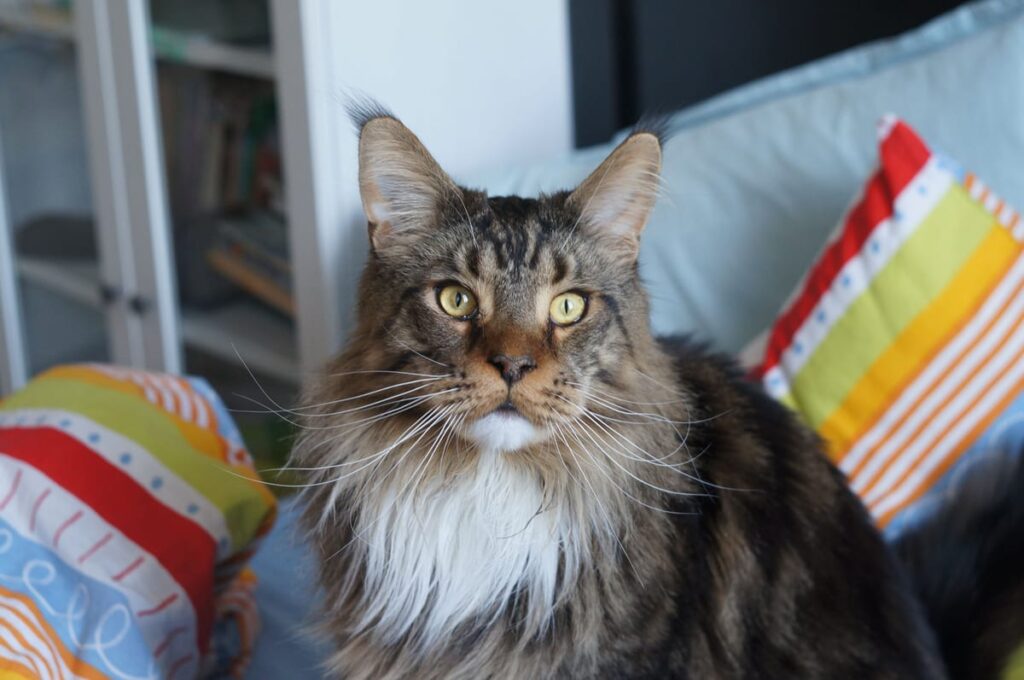
Verdict: For a pedigreed pet Maine Coon kitten in the United States, a reasonable planning figure in 2026 is several thousand dollars before travel and supplies. In a July 29, 2026 spot-check of three breeder price pages, listed pet-kitten prices ran from $2,000 to $3,800.
That is an observed range, not a national average and not a recommendation of those breeders. Prices change, availability varies, and a higher price does not prove responsible breeding. The useful question is not only “How much?” It is “What care, records, health screening, contract terms, and support are included for that amount?”
Key takeaways
- Three U.S. breeder pages checked on July 29, 2026 listed pet kittens from $2,000 to $3,800.
- Color, sex, polydactyl traits, breeding rights, delivery, and included veterinary services can change the total.
- Price alone cannot verify health, temperament, pedigree, or breeder practices.
- Ask for health records for the kitten and relevant screening records for both parents.
- Read the contract before paying a deposit, and verify the seller beyond a website or social account.
- Budget for a large cat’s ongoing food, equipment, grooming, preventive care, and unexpected veterinary needs.
What current breeder pages actually show
Here is the transparent snapshot behind our Maine Coon cat price range. Kingsfold Cattery’s page, marked as updated July 13, 2026, listed kittens from $2,000 to $3,500, adolescents starting at $1,500, and retirees starting at $800. Its kitten package described registration paperwork, veterinary care, a microchip, spay or neuter, a health certificate, a carrier, and other items.
Canterbury Maine Coons listed a 2026 price of $2,500 for kittens and $3,000 for polydactyl kittens. Maine Street Coons listed one price of $3,800 for every kitten and described health screening, socialization, veterinary preparation, a contract, and continued breeder support.
These are asking prices published by the sellers. We did not audit a transaction, inspect the catteries, or verify every included service. The three pages are useful as current examples, but they do not represent every region or every breeder. Recheck the live page and get the complete terms in writing before making a decision.
A quoted number may also exclude sales tax, travel, flight nanny service, ground delivery, a health certificate required for transport, or supplies. Ask for the final expected total, not only the kitten price.
Why prices vary so much
A breeder may include more or less veterinary care before the kitten goes home. The price might include registration, initial vaccinations, parasite control, a microchip, spay or neuter, a veterinary exam, or temporary insurance. Another breeder may charge separately for some of these items. Two prices are not comparable until you list what each package includes.
Breeding rights usually cost more than a companion contract. A seller may also price by sex, color, eye color, or polydactyl traits. Those premiums relate to the seller’s policy and buyer demand; they do not guarantee a healthier or better-tempered cat.
Region and delivery matter. A local pickup may have little added cost, while in-cabin delivery across the country can add travel fees. Importing a kitten introduces more transport, paperwork, and verification risk. Do not choose a distant seller only because the headline price looks lower.
Age changes the price too. A retired breeding adult or older adolescent may cost less than a young kitten. That can be a good fit for someone who values a more established personality, but ask about health history, social needs, the reason for placement, and the transition plan.
What a responsible price should help cover
A thoughtful breeding program has costs before a litter is born. TICA’s Maine Coon breed information recommends attention to hypertrophic cardiomyopathy, including genetic testing and periodic echocardiograms evaluated by a veterinary cardiologist. It also discusses screening related to hips, kneecaps, spinal muscular atrophy, and pyruvate kinase deficiency.
Those details matter because a DNA result by itself does not answer every health question. Ask which tests were performed, when they were performed, who evaluated them, and whether you can see records tied to the actual sire and dam. A vague statement that “our cats are health tested” is not the same as documentation.
Breeder work may also include veterinary care, appropriate nutrition, clean housing, socialization, record keeping, registration, and time spent matching kittens to homes. None of this makes a kitten risk-free. TICA notes that no one can guarantee a kitten will never have a medical problem. The point is to look for transparent practices that reduce avoidable uncertainty.
How to check a breeder before paying
Start with identity. Ask for the breeder’s full name, physical location, cattery name, registry details, and a real-time phone or video conversation. If possible, visit or meet at a cat show. Confirm that the person you are paying controls the cattery and the kitten shown.
Registration is one check, not an endorsement. TICA says its breeder listings do not guarantee a breeder’s business practices. Use the registry to verify information, then do your own due diligence.
Request these items before a deposit:
- A written contract and health guarantee you can read in advance.
- The kitten’s birth date, veterinary record, vaccination record, and identification details.
- Pedigree or registration information and the terms for receiving papers.
- Health-screening records for both parents, with dates and identifiable results.
- The exact go-home age and what care will be complete by then.
- A clear refund, cancellation, return, and rehoming policy.
- A full list of what the price includes and what costs extra.
TICA’s buyer guide warns about pressure, sellers who avoid calls, unclear addresses, missing records, and risky payment requests. Slow down when a seller creates urgency. Search images, check whether litter details stay consistent, call references, and verify documents with the issuing clinic or registry when appropriate.
Never treat a low price as proof of a scam or a high price as proof of quality. Look at the whole pattern. A seller asking for a large irreversible payment while withholding records is a stronger warning than price alone.
The purchase price is only the first line
Maine Coons are large cats with long coats and a slow path to full maturity. Ongoing costs can be higher simply because larger equipment and food portions may be needed. Your actual total depends on the individual cat, location, veterinary needs, and household choices.
Plan for:
- A secure carrier large enough for the adult cat, not only the kitten.
- A stable scratching post and furniture with platforms the adult body can use. Our large-cat tree guide explains what to measure.
- Complete cat food, treats kept in proportion, dishes, and a water setup. Use our cat food selection guide to read the adequacy statement.
- Large litter boxes, litter, scoops, cleaning supplies, and replacement boxes.
- Combs, nail tools, dental-care supplies, and professional grooming if needed.
- Routine examinations, vaccines based on veterinary advice, parasite prevention, and dental care.
- Emergency savings or insurance, with attention to exclusions and waiting periods.
Get local quotes instead of relying on a national lifetime-cost claim. Ask a veterinary clinic what a new-patient exam and common preventive services cost. Price an adult-size carrier, litter setup, and the food you are considering. The resulting household budget will be more useful than a dramatic online total.
Adoption and retired adults
A Maine Coon or Maine Coon mix may appear through a shelter or breed-focused rescue, though availability is unpredictable. Adoption fees and included care vary by organization. Ask what medical work has been completed, what history is known, and whether the breed label is documented or a visual estimate.
Retired adults from breeders are another route. An adult may have a known pedigree and a more visible personality. Ask why the cat is retiring, whether the cat is spayed or neutered, how the cat lives with other animals, and what ongoing health follow-up is recommended.
Neither option should be treated as a bargain version of a kitten. Choose the cat whose needs and temperament fit the home.
A practical budget before you join a waitlist
Write three totals. First, the amount due to the seller, including the deposit and final payment. Second, the homecoming total, including travel, carrier, litter setup, food, and an independent veterinary visit. Third, a monthly plan plus an emergency reserve.
Then add a buffer. Prices can change during a wait, a delivery plan can move, and the cat may need different food or equipment than expected. If the purchase empties the emergency fund, the household is not ready for the purchase yet.
You can review current food and equipment records in the iPickPet catalog, but confirm live prices with the seller. A calm, documented purchase is worth more than winning a race for a kitten photo.
Sources
- Kingsfold Cattery, current kitten listings and stated prices: https://www.kingsfoldcats.com/mckittens
- Canterbury Maine Coons, 2026 pricing: https://canterburymainecoons.com/pricing/
- Maine Street Coons, stated kitten pricing: https://mainestreetcoons.com/pricing
- The International Cat Association, pet buyer’s guide: https://tica.org/pet-buyers-guide/
- The International Cat Association, Maine Coon breed and health overview: https://tica.org/breed/maine-coon/
Keep exploring
Next reads and tools
Next route
Browse products
Move from article context into real formula review when you want to compare options.
Open routeIngredient context
Inspect ingredients
Use the ingredient library when one concept in the article needs label-level context.
Open routeTrust boundary
Review methodology
See how scoring, interpretation, and explanation boundaries work across the platform.
Open route